August 29, 2026
Questions to ask on a daycare tour, and what the answers should sound like
A list of specific questions to bring to any daycare tour, grouped by topic, with a plain example of a strong answer and a weak one for each. Useful whichever centre you are visiting.
By Tracy, Owner and Principal
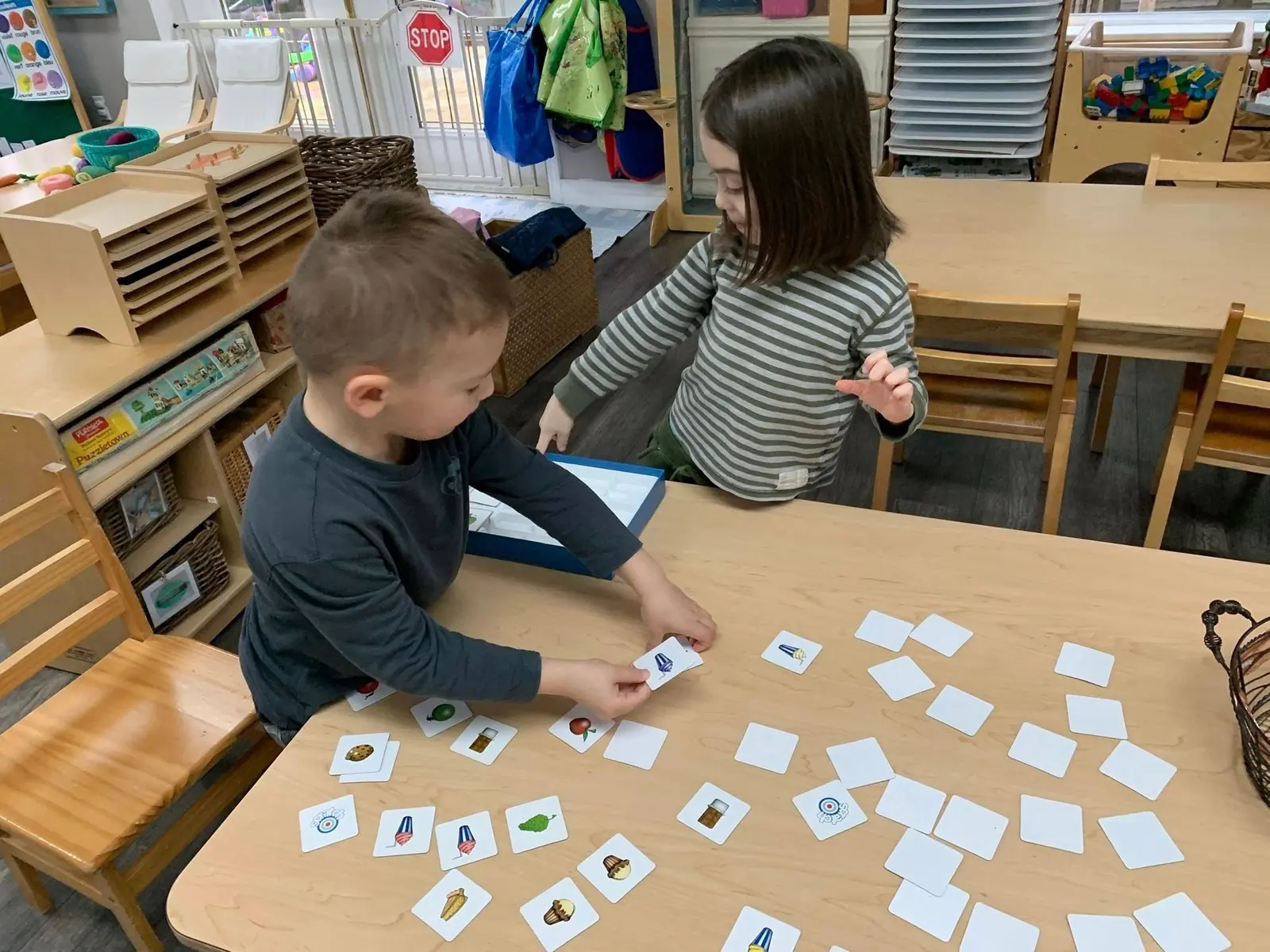
A good question on a daycare tour has a specific, checkable answer. Ask about ratios, sick-day coverage, and what a hard day looks like, and listen for a number or a plan rather than a general reassurance. The questions below are grouped by topic, each with an example of a strong answer and a weak one:
- How many educators are with my child's age group, and how many children are in that group?
- What happens if my child gets sick or hurt while they are here?
- How long have the educators in my child's room been working here, and what happens if someone is out sick?
- What does a normal day look like, hour by hour, not just the highlights?
- Can you tell me about your last inspection, or where I can see your inspection report?
- What does an educator actually do in the first ten minutes after a parent leaves?
- Which educators are ECE certified, and how would I check that myself?
This is a question bank, useful at any centre you are touring, including ours. For the broader checklist of what to check before and during a visit, see how to choose a daycare. For what our own thirty-minute tour looks like once you book one, see what happens on a daycare tour.
Why the wording of the answer matters more than the wording of the question
Most parents already know to ask about ratios, food, and what a normal day looks like. The part that catches people off guard is not the question. It is the shape of the answer.
A centre that is actually following the rule can give you a specific number, a specific step, or a specific name, because the true answer is short and does not need padding. A centre that is stretching the truth tends to answer a specific question with a general feeling: "we always make sure everyone is well cared for" instead of "two educators are with a group of eight." Neither answer sounds rude, and neither parent notices the difference in the room. It shows up only when you compare the two answers side by side afterward, which is the point of bringing a list.
Questions about ratios and group size
Ask: How many educators are with my child's age group, and how many children are in that group?
A strong answer is a specific number for your child's exact age, stated without hesitation. British Columbia sets a maximum group size and a minimum staffing ratio by care type in Schedule E of the Child Care Licensing Regulation. For Group Child Care serving children thirty months to school age, the maximum group size is 25, with one educator required for up to 8 children, one educator and one assistant for 9 to 16, and one educator and two assistants for 17 to 25. Multi-Age Child Care caps a group at 8 children, with no more than 3 under 36 months, and requires one educator for that group. A centre following the regulation can give you the number for your child's age on the spot.
A weak answer avoids the number entirely, describes the building instead of the group, or gives you a ratio that does not match the published rule for that care type. If the number sounds off, you can check it yourself: the regulation is public, and a mismatch is worth asking about directly rather than letting it go.
Questions about a sick child
Ask: What happens if my child gets sick or hurt while they are here?
A strong answer describes where a sick child rests, who watches them, and when you would be called. Section 54 of the Child Care Licensing Regulation requires a licensee to provide a quiet, clean resting area for a child who becomes ill in care, and to keep that child under the close supervision of a responsible adult until a parent arrives. A centre that already does this will describe the actual room and the actual process, not just say "we take care of it."
A weak answer is a general assurance with no detail: no mention of where the child would rest, who stays with them, or how quickly you would hear from the centre. If medication comes up, ask the same kind of question: section 53 requires medication to be given only in the amount and at the times a parent specifies, and requires a competent employee to be available to give or supervise it. A centre that has a real process describes it plainly.
Questions about staff turnover, asked without it sounding rude
Ask: How long have the educators in my child's room been working here, and what happens if someone is out sick?
Some parents worry this question sounds like an accusation. It does not, if you frame it as a practical question about consistency for your child rather than a test of the centre's management. Most centres answer it easily, because the answer is usually a simple fact: a name, a number of years, or a description of how a substitute is brought in while keeping the required ratio.
A strong answer names how long the core team has been there and describes a specific plan for a staffing gap. A weak answer deflects with something like "staffing is always handled" and moves on before giving you any detail. A centre that gets visibly irritated at an ordinary staffing question, rather than simply answering it, is worth noting.
Questions about the daily schedule
Ask: What does a normal day look like, hour by hour, not just the highlights?
A strong answer walks through the morning and afternoon in order: arrival, activities, outdoor time, meals, rest, and pick-up, with rough times attached. It also answers what changes on a day the schedule slips, since every centre has days like that. A weak answer lists activities without any sense of order or timing, which makes it hard to picture what your child's actual day would feel like.
Questions about inspection history
Ask: Can you tell me about your last inspection, or where I can see your inspection report?
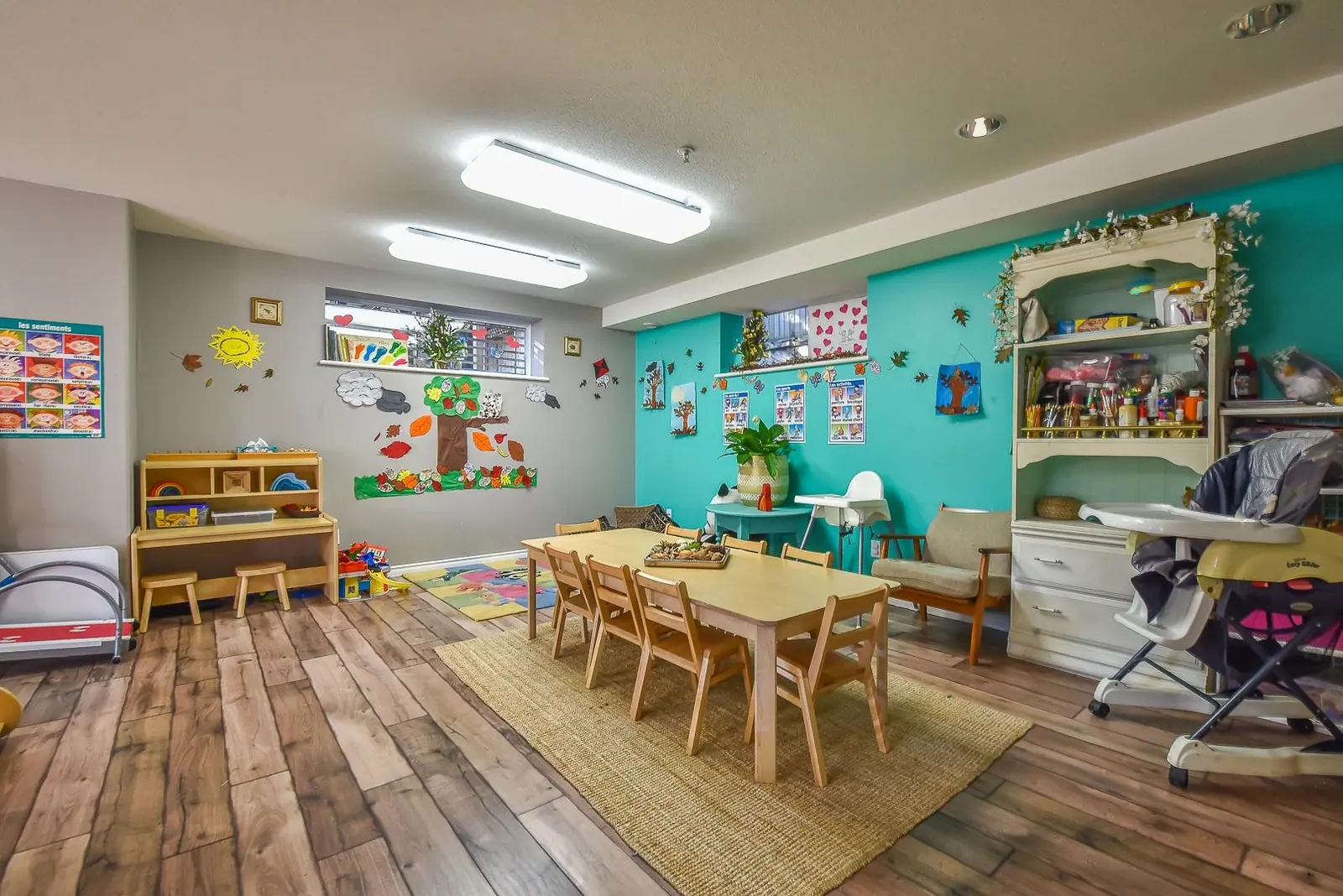
This is not an unusual or confrontational question. Fraser Health publishes routine inspection reports and summaries of substantiated complaint investigations online for any member of the public to read, and it inspects facilities against ten categories: care and supervision, hygiene and communicable disease control, licensing, medication, nutrition, the physical facility, policies and procedures, program, records, and staffing.
A strong answer either points you to that same public record or tells you directly what a recent inspection covered. A weak answer acts surprised or defensive at the question, since a centre used to being licensed and inspected does not find the topic unusual.
Questions about a child who is struggling to settle
Ask: What does an educator actually do in the first ten minutes after a parent leaves?
A strong answer is specific: comfort from a familiar educator, redirection to an activity the child already likes, and a plan for contacting you if the child stays distressed longer than expected. A weak answer is a general reassurance with no plan attached, such as "we always calm them down," without saying how.
Questions about educator qualifications
Ask: Which educators are ECE certified, and how would I check that myself?
In British Columbia, anyone working as an early childhood educator or ECE assistant in a licensed facility must be certified through the province's ECE Registry, which runs a public lookup tool called My ECE Registry so a parent can validate a certificate directly. A strong answer names the certification and does not object to you checking it. A weak answer treats the question as an imposition, or cannot say which staff hold which certificate.
Asking about outdoor time on a day it is raining
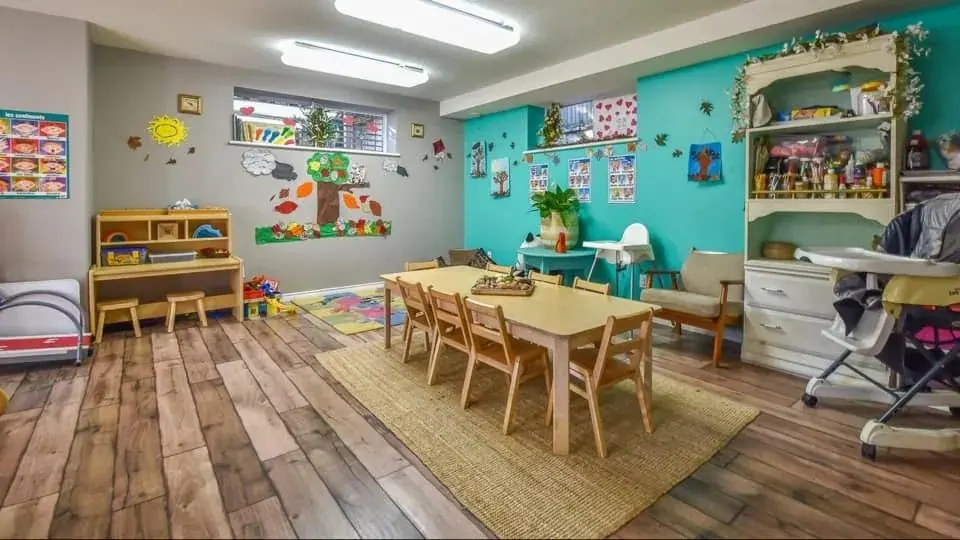
If you tour on a wet day and the outdoor space sits empty, that is actually a useful moment. Ask: What does an indoor day look like when the weather does not allow outside time?
A strong answer describes specific indoor activities that replace outdoor play: movement games, gross motor activities, or a change to the room setup. A weak answer brushes past the question or implies outdoor time never changes, which does not match how any outdoor program actually works through a full year of weather.
Reading the pattern, not just one answer
A single vague answer is not proof of a problem. Everyone has an off moment, including the person giving the tour, and a good centre having one imperfect answer on one specific detail does not mean much on its own.
What is worth paying attention to is a pattern: several specific questions in a row met with general reassurance instead of a number, a name, or a described process. That pattern is different from a single hesitation, and it is the reason a written list helps. A worried parent standing in an unfamiliar room forgets which answers were vague and which were specific unless they wrote the questions down first and can compare notes once they get home.
Comparing centres afterward
Asking the same questions at more than one centre lets you compare specific answers side by side. Write down what each centre said and how specific the answer was. A centre that gives you an exact ratio, an exact process for a sick child, and an exact description of a hard day is giving you something to check against the published rule. A centre that gives you three warm but vague answers to the same three questions has given you less to compare.
Our own checklist for choosing a daycare covers what to look for before you even book the tour, including how to check a licence and how many centres to visit. Pairing that checklist with this list of questions gives you a fuller picture than either one alone.
Frequently asked questions
What questions should I ask on a daycare tour?
Ask about ratios and group size for your child's exact age, what happens when your child gets sick during the day, how the centre communicates with you, and what a hard day looks like there. A strong answer to any of these is specific and checkable. A vague one is worth a follow-up question before you decide anything.
What is a good answer when I ask about staff-to-child ratios?
A specific number for your child's age group, given without hesitation, since British Columbia sets a maximum ratio and group size by care type in regulation. A centre following the rule can state its number immediately. An answer like "we always have enough staff" without a number is not the same thing.
What should I ask about what happens when my child gets sick during the day?
Ask where a sick child rests, who supervises them, and how quickly you would be called. British Columbia's Child Care Licensing Regulation requires a licensee to provide a quiet, clean resting area and close supervision by a responsible adult when a child becomes ill in care. A centre should describe this plainly, not vaguely.
How do I ask about staff turnover without it sounding rude?
Ask how long the educators in your child's room have worked there, and how the centre covers a sick day. Framed as a practical question about consistency for your child, most centres answer it easily. A centre that gets defensive at an ordinary staffing question is telling you something.
What should I ask about the daily schedule during a tour?
Ask what a normal day looks like hour by hour, not just the highlights. When do children eat, nap and go outside, and what changes on a day the schedule slips. A specific walk through the day is a stronger answer than a general description of activities.
Is it rude to ask to see a daycare's inspection reports in person?
No. Fraser Health publishes routine inspection reports online for public viewing, so asking a centre about its own inspection history is a normal, checkable question, not an accusation. A centre used to the question will point you to the same public record or explain its own results directly.
What should I ask about how educators handle a child who will not stop crying?
Ask what an educator actually does in the first ten minutes after a parent leaves. A specific answer describes comfort, a familiar activity, and a plan for updating you if your child stays upset. A generic reassurance with no detail tells you less.
What is a weak answer to a question about group sizes?
A round number offered without confidence, or an answer that shifts to a different question, such as describing the building instead of the group your child would join. British Columbia sets a maximum group size by care type, so a centre following the rule can give you an exact figure for your child's age.
Should I ask to see the outdoor space even if it is raining that day?
Yes, and ask what happens on a day exactly like that one. Weather changes daily, so a rainy tour is a good moment to ask what an indoor day looks like rather than assuming the sunny brochure photo is what every afternoon is like.
What questions catch a centre that is not actually following the rules?
Questions with a checkable answer. Ask for a specific ratio, a specific group size, or whether the centre is on the health authority's public licensed list. A centre that meets the rule answers plainly. A centre that hedges, changes the subject, or gives you a number that does not match the published regulation is worth a second look.
Before you visit
Bring a short list, ask for specifics, and write down the answers before you visit the next centre. That approach works at any centre you are considering.
We are at 1103 Confederation Drive, in the Citadel neighbourhood of Port Coquitlam. You can read about our programs and the centre itself, see what our own tour looks like, and get in touch whenever you are ready to book a time. Bring your list, and bring your child if you can.
Copies a ready-written post, then opens LinkedIn.