September 23, 2026
StrongStart and the free early learning programs BC families can use
What StrongStart BC actually is, who it suits, what you need to bring on the first visit, and how it fits alongside licensed child care. Plus how a Child Care Resource and Referral centre helps you find a licensed provider at no cost.
By Tracy, Owner and Principal
There are 329 StrongStart BC programs running in this province, they cost families nothing, and a surprising number of parents in the Tri-Cities have never heard of them.
That gap comes up often on tours. A family describes their situation, and part of what they need is something free, flexible and nearby that they could start using this week. StrongStart frequently fits, and so does a Child Care Resource and Referral centre, and neither one is well advertised.
This is a plain account of what those programmes are, what they require of you, and where they fit alongside licensed child care.
What StrongStart BC is
StrongStart BC is an early learning drop-in program funded by the Province and offered at no cost to families. It is for children from birth to age five.
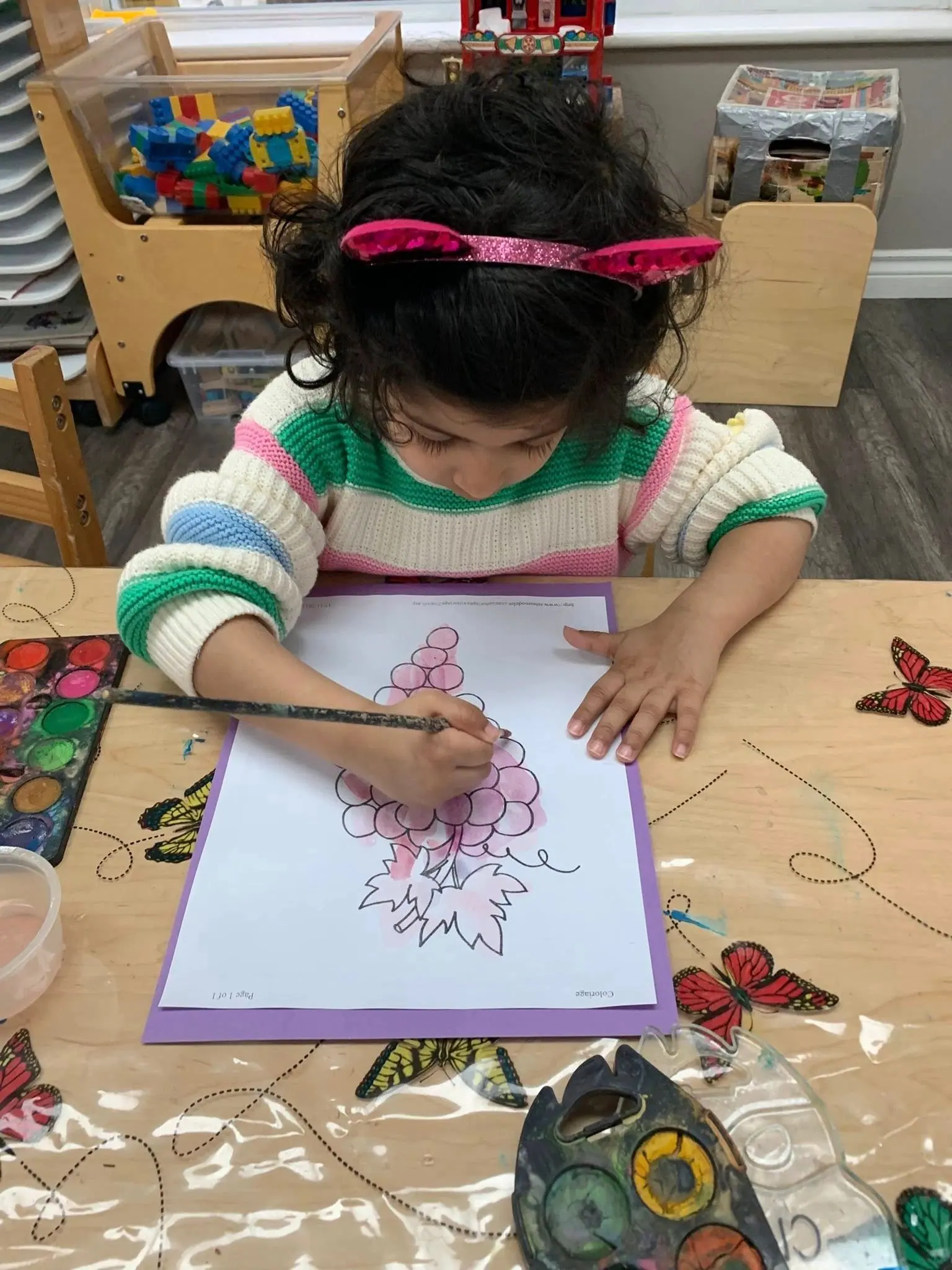
Sessions are play-based. The Province describes participating in play-based early learning activities including stories, music and art. The environments are built for early learning across language, physical, cognitive, social and emotional development, and qualified early childhood educators lead the activities. Children get the chance to make friends and interact with others of similar ages, which for a child at home all week is often the main draw.
Centres run on a drop-in basis during the school year, and most sit inside school buildings. Most school districts operate more than one location.
The one thing to understand before you go
A parent or caregiver attends and takes part in the activities alongside the child. This is the design of the programme rather than a temporary rule, and it shapes who StrongStart suits.
It works well for a parent at home with a young child, a grandparent doing weekday care, a nanny, or a parent on a day off. It gives all of those people a structured session with an educator present, other children the same age, and materials most homes do not have.
Licensed child care is what covers the hours a parent needs to be at work. That is the practical division between the two, and it is worth being clear about before a family builds a plan around StrongStart alone.
Many families use both. A child in part-time licensed care might attend StrongStart with a grandparent on one of the days they are not at the centre. The two arrangements sit comfortably beside each other.
What the first visit involves
You complete a registration form on your first day. You also need to bring legal proof of identification for your child, and the Province names three acceptable forms: a birth certificate, immigration documents, or an Aboriginal Status card.
That registration does something more than get you through the door. It marks the beginning of your child's educational record in British Columbia, and your child receives a Personal Education Number. This is the number the school system uses to follow a student's record through their years in BC schools, so a StrongStart registration at age two quietly starts a file that kindergarten registration will later connect to.
One detail families often appreciate: you may attend any centre that you wish. There is no catchment rule the way there is for a public school. Parents pick centres near a grandparent's home, near work, or simply the one whose session time suits them best.
Finding the location and the schedule
Individual centres set their own schedules alongside the school they occupy. Days, times and holiday closures vary from one to the next.
I am deliberately not printing a local timetable here. Session times change with staffing and with the school calendar, and a blog post listing a Wednesday morning becomes wrong within a term while continuing to look authoritative. The Province maintains a way to find a location near you, and the school district or centre itself is the right source for the current schedule.
The same caution applies to the summer. StrongStart runs during the school year, so families building a plan around it should account for the gaps at spring break and through July and August.
Child Care Resource and Referral centres
The other free service worth knowing about is a CCRR, and it does a different job.
A Child Care Resource and Referral service provider maintains a referral list of licensed and registered child care providers, and that list can be requested by families to support their search for child care. Beyond the list, a CCRR will explain the different types of child care in BC and how to choose quality care, provide application support for ChildCareBC programmes, run registered and drop-in style programming such as circle times or playgroups, lend educational resources and equipment through a lending library, offer computers, tablets, printing and faxing, and refer families to other community services.
For a family new to Canada, new to the province, or simply new to the whole subject, that combination is genuinely useful. The application support in particular saves a lot of time, since the provincial funding programmes have their own forms and eligibility rules.
Here is the boundary to understand. A CCRR keeps a referral list and supports your search. The contact with each centre, and your place on any waiting list, stay with you. Families who treat a CCRR as an office that reserves a space end up waiting on something that was never going to arrive. Use the list to build your own shortlist, then contact each centre directly and ask about availability for your child's age and start date. Our post on how daycare waitlists work in BC goes through what actually determines your position on a list.
How licensed care fits with all this
It helps to know what the licensed category actually means, because the word covers a lot.
Licensed facilities are monitored and regularly inspected by regional health authorities, and they must comply with standards for safety, staffing, ratios and programming. Staff hold credentials such as an Early Childhood Educator certificate or an Infant Toddler Educator certificate, and child-to-staff ratios vary by age group and are set in regulation. The Province publishes inspection reports for licensed facilities so families can read them.
Unlicensed providers operate without that oversight. They are not monitored or inspected, and no qualifications are required. An unlicensed provider may legally care for only two children, or a sibling group, who are not related to them.
The licensed category itself covers several types: group child care for children under three, group child care from thirty months to school age, school-age care, in-home multi-age care, family child care, preschool, occasional care, and recreational care. Those are meaningfully different arrangements, which is why "licensed daycare" as a single phrase can be misleading when comparing options. Our guide to licensed child care in BC sets out what each type means in practice.
The money side, briefly
Free programmes and paid care interact with the provincial funding system in different ways, and it is worth being precise.
StrongStart is free outright, with no application and no income test. A CCRR is free outright too.
Licensed child care can be reduced by provincial funding programmes, which have their own applications and eligibility rules. Our guide to child care costs in BC works through those programmes and how they stack together. A CCRR can help with the applications if you would rather not do it alone.
One point specific to us: government child care funding does not apply to drop-in care. Families sometimes assume a funding approval covers every kind of booking, and for occasional drop-in days it does not.
Choosing between them, honestly
The right combination depends on your week rather than on which programme is better.
If a parent is at home with a young child and wants structured early learning, adult company and a room built for the purpose, StrongStart is close to unbeatable at its price. If a grandparent provides weekday care, StrongStart gives both of them somewhere to go with other children in it.
If a parent is working, licensed child care is what covers those hours, and it does so with regulated ratios, qualified educators and health authority inspection behind it. Extended hours and weekend care matter for families whose work does not fit a standard day, and our schedule page sets out the hours we run.
If you are still in the searching phase, a CCRR shortens the search and answers the questions you did not know to ask.
The British Columbia Early Learning Framework, revised in 2019, applies across all of these settings. It covers StrongStart programs, primary classrooms, child care settings, preschools and other early childhood development programmes, which means a child moving between them is meeting a shared set of expectations about what respectful early learning looks like rather than a different philosophy in each building.
That is the reassuring part. Whichever combination a family lands on, the underlying approach in this province is meant to be the same.
Frequently asked questions
What is StrongStart BC?
A free early learning drop-in program run by the Province for children from birth to age five. Sessions are play-based and include stories, music and art, led by qualified early childhood educators, and they run on a drop-in basis during the school year. Most are located inside school buildings, and there were 329 programs offered across British Columbia at the time of writing.
Does StrongStart cost anything?
No. The Province describes it as being at no cost to families. There is no fee, no membership and no subscription, and you do not need to be receiving any funding programme to attend. The only requirement is completing a registration form on your first visit and providing identification for your child.
Do I have to stay with my child at StrongStart?
Yes, and this is the central feature of the programme. A parent or caregiver attends and participates in the activities alongside the child. It is designed as a shared experience, which is what makes it suit a parent at home, a grandparent providing weekday care, or a nanny, and what makes licensed child care the option that covers hours when a parent is working.
What do I need to bring the first time I go?
Legal proof of identification for your child. The Province lists a birth certificate, immigration documents, or an Aboriginal Status card. You complete a registration form on your first visit. That registration marks the start of your child's educational record in British Columbia and your child receives a Personal Education Number.
Can I go to a StrongStart centre outside my neighbourhood?
Yes. The Province states that you may attend any centre that you wish, so there is no catchment restriction the way there is for a public school. Families sometimes pick a centre near a grandparent, near work, or one that runs at a time that suits them better than the closest one does.
What is a Child Care Resource and Referral centre?
A free provincial service that helps families find and understand child care. A CCRR maintains a referral list of licensed and registered child care providers, explains the different types of care available in BC and how to judge quality, supports families applying for ChildCareBC programmes, runs drop-in and registered playgroups, and lends out educational resources and equipment.
Will a CCRR find me a daycare space or hold one for my child?
A CCRR keeps a referral list and supports your search, so the contact with each provider and the place on any waiting list stay with you. Treating a CCRR as a place that reserves a space leads to families waiting on something that was never going to arrive. Use the list to build your own shortlist and contact each centre directly.
Does StrongStart help my child get ready for kindergarten?
That is one of its stated aims. The Province describes it as helping prepare children for success in kindergarten, and sessions are run by qualified early childhood educators in an environment built for early learning across language, physical, cognitive, social and emotional development. Registering also creates the educational record the school system will use.
Can I use StrongStart and licensed child care at the same time?
Many families do. A child in part-time licensed care may attend StrongStart with a parent or grandparent on a non-care day. The two suit different parts of a week: one gives a shared parent-and-child session during the school year, the other covers the hours a parent needs to be at work, including outside standard business hours.
What happens over the summer or during school holidays?
StrongStart operates on a drop-in basis during the school year, so families relying on it should plan for the gaps around school breaks and the summer. Individual centres set their own calendars alongside the school they sit in. Check with the centre directly for its schedule rather than assuming it follows the same dates as another one.
Before you visit
If you are working out what combination of free programmes and licensed care would suit your family, we are happy to talk it through even if the answer turns out to be something other than us. A tour takes about half an hour and you can bring your child. Contact us to arrange a time, and we can go through what is available for your child's age and the schedule you need.
Copies a ready-written post, then opens LinkedIn.