September 27, 2026
Who is allowed to pick your child up from daycare, and why we check
What the BC Child Care Licensing Regulation requires before a centre releases a child to anyone other than a parent, why staff ask for ID, how to add a grandparent or a friend, and what to do when plans change at four in the afternoon.
By Tracy, Owner and Principal
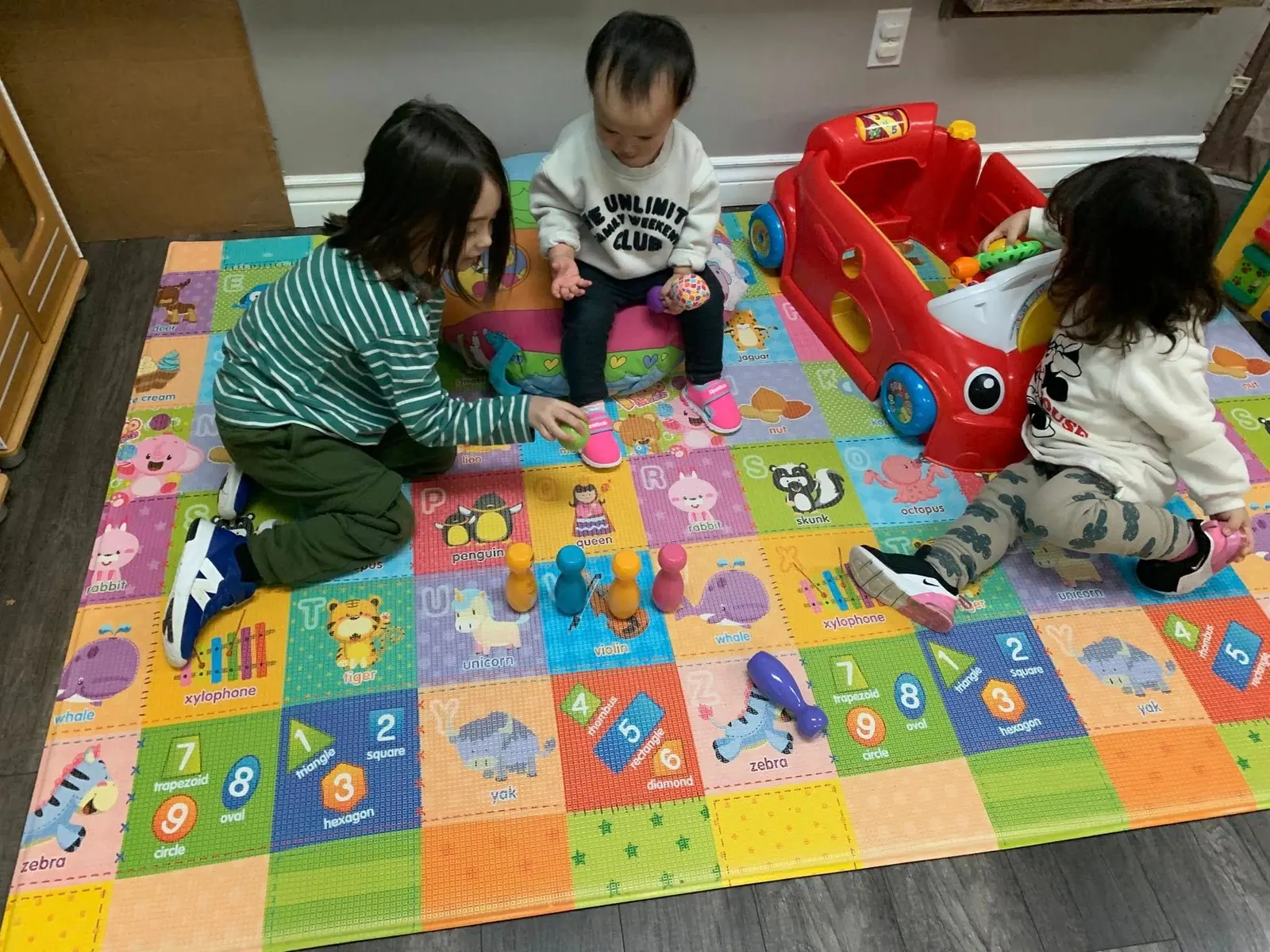
Most days, pick-up is the same person at the same time. Then there is the afternoon a meeting will not end, a car will not start, or a child is ill at another school, and suddenly the question of who is allowed to collect your child stops being theoretical.
This is what the rules actually say, what a centre has to do, and how to set your family up so the answer on that afternoon is straightforward.
What the regulation requires
The Child Care Licensing Regulation is the provincial rulebook every licensed centre in British Columbia operates under. Two sections govern this.
Section 57(3)(b) requires a licensee to have in writing from a parent, and maintain at the facility, consent to release a child to someone other than the parent. The consent has to be written, it has to come from a parent, and it has to be kept at the centre.
Section 56(1)(a) requires the licensee to keep current written policies and procedures for the safe release of children. Section 56(2) then requires the licensee to ensure those policies and procedures are actually implemented by employees. A policy in a binder that staff do not follow does not satisfy the regulation.
There is a third provision worth knowing about. Section 57(2)(j) requires the licensee to keep, in each child's record, a record of any person who is not permitted access to the child. That is the mechanism for situations where someone must be kept away rather than simply not authorised.
Note what the regulation defines a parent as. Under section 1, a parent includes the child's guardian, the person legally entitled to custody of the child, or the person who usually has the care and control of the child. It is broader than the everyday use of the word.
Why the ID check is not about you
The most common friction at a centre door is a familiar person being asked for identification they feel they should not need. It happens with grandparents especially, and it can feel like being doubted.
The check is the procedure, applied the same way to everyone. Here is why that matters more than it sounds.
A centre that checks identification only when it does not recognise someone has trained its staff to rely on recognition. Recognition is unreliable. Staff change, casual and substitute educators cover shifts, families have similar-looking relatives, and a person who visited twice in March is not reliably recognised in November. The moment the system depends on someone's memory, it fails in exactly the situation it exists for.
Applying the check every time also removes the social problem. Nobody is singled out, nobody has to judge whether this particular adult looks trustworthy, and no member of staff has to decide whether to risk causing offence. The rule does the work instead of a person's judgement doing it.
If you have not seen how the rest of the day is structured, our post on a day at our centre, hour by hour walks through it from morning arrival to the end of the afternoon.
Building the authorised list properly
The list of people authorised to collect your child is the single most useful thing you can get right at enrolment.
Put on more names than you think you need. The list exists for the days that do not go to plan, so a list containing only the two people who never have an unexpected afternoon is not much use. Three or four names is normal.
Choose people whose availability does not collapse at the same time as yours. If everyone on the list works in the same building or shares your commute, a traffic problem takes out every option simultaneously.
Ask people before you list them. Being told at 4:40 that you are the emergency solution is a poor way to find out.
Tell them what to expect. Photo identification, the first several times at least, and possibly every time. Knowing in advance turns a surprise into a formality.
Being an emergency contact is not the same as being authorised to collect. The regulation requires the child's record to include the name and telephone number of a parent, a medical practitioner and an emergency contact, and it separately requires written consent to release a child to someone other than a parent. Those are two different permissions and a person can hold one without the other. The regulation even defines an emergency contact narrowly, as a person to be contacted in place of a parent if a parent cannot be reached. Being reachable and being authorised to walk out of the building with a child are different things. Make sure the people you actually expect to do a pick-up have the second permission and not only the first.
When the plan changes at four in the afternoon
This is the situation everything above is really for.
Contact the centre directly and speak to a person. A phone call is best, and whichever channel your centre uses for messages during the day is next. What you want is confirmation that a human being at the centre has received the change and understood it.
Do not send the message through your child. This is the failure mode that centres see most often, and it is completely understandable: you mention at drop-off that Grandma is coming later, your child repeats it happily at three o'clock, and it feels like the information has arrived. It has not. A young child reporting a plan is not authorisation, staff cannot act on it, and children misunderstand and mix up adults' plans routinely.
If the person you need is not already on your written authorisation, say so at the start of the call rather than at the end. In a genuine emergency a centre will work with you, and it will still involve a conversation and identification and probably some paperwork afterwards, because the regulation requires the consent to be written and held at the facility. Everyone's afternoon is easier when the name is already on the list.
Custody orders and access restrictions
If a court order or a formal agreement affects who may collect your child, or who may have contact with them, give the centre a copy in writing.
Staff are not in a position to act on a verbal description of what an order says, and they cannot interpret a document they have not seen. They also cannot keep the record the regulation requires under section 57(2)(j), covering any person who is not permitted access to a child, unless someone gives them the information to record.
These conversations are uncomfortable and centres handle them regularly and without drama. What a centre needs is documents and clarity, not the background. A centre that knows exactly what is required can act immediately and consistently. A centre that has been told something informally at drop-off is in an impossible position at the moment it counts.
The Province's guide for parents on selecting and monitoring child care is a reasonable place to see what the licensing system expects of centres more broadly, and our guide to licensed child care in BC covers what a licence means and what the health authority checks.
What good looks like from the parent's side
A handful of habits cover almost every situation:
Set the authorised list up at enrolment rather than adding to it piecemeal.
Review it once a year, and whenever your circumstances change. Take names off when they no longer belong there, which people forget to do far more often than they forget to add someone.
Warn a new person on the list that they will be asked for identification.
Phone the centre for a same-day change, and never route it through your child.
Give the centre paperwork in writing where a legal arrangement is involved.
None of this takes long. All of it is much easier to do on an ordinary Tuesday than on the afternoon when it suddenly matters.
The thing worth remembering
Every one of these checks exists because releasing a child to the wrong adult is the kind of error that cannot be corrected afterwards. Almost every check any centre performs will turn out to be unnecessary in that specific instance, which is exactly what a safety procedure looks like when it is working.
At our centre, a designated educator or administrator welcomes families each morning, takes any updates, and helps children move into the classroom. That known face at the door is part of the same idea. A consistent routine, run the same way each day, is what makes an unusual afternoon manageable.
Frequently asked questions
What does BC law require before a daycare releases my child to someone else?
The Child Care Licensing Regulation requires a licensee to have written consent from a parent, maintained at the facility, to release a child to someone other than the parent. That requirement is in section 57(3)(b). Section 56(1)(a) separately requires the licensee to keep current written policies and procedures for the safe release of children, and section 56(2) requires the licensee to ensure employees actually implement them. A verbal instruction on its own does not meet the written-consent requirement.
Why does the centre ask for photo ID from someone I already authorised?
Because the written consent names a person and the ID confirms the person at the door is that person. Staff cannot be expected to recognise every adult connected to every family, and a centre that relies on recognition rather than on checking has built a system that works right up until the moment it matters. Asking every time also removes any awkwardness about who gets asked and who does not.
Can my child's grandparent pick them up?
Yes, once the grandparent is on your written authorisation and the centre has the name on file. Add them at enrolment or whenever the arrangement starts, rather than at the moment you need it. Let the grandparent know they should expect to be asked for photo identification the first several times, and that it is standard rather than personal.
What should I do if my plans change during the day?
Contact the centre directly, by phone or by whatever channel the centre uses, and speak to a person. Do not send the message through your child, and do not rely on your child repeating it correctly. A three-year-old reporting that "Auntie is coming" is not a form of authorisation, and staff cannot act on it.
Is it enough to phone the centre and authorise someone verbally?
A phone call is the right first step in an emergency, and every centre handles genuine emergencies. It sits outside the ordinary process though, because the regulation requires the consent to be in writing and kept at the facility. Expect the centre to ask for confirmation in writing as well, and expect the person collecting to be asked for identification. Planning ahead is far easier than doing it under pressure.
What happens if someone arrives who is not on the list?
The centre does not release the child, and staff contact you. That is the correct outcome even when everyone involved is certain the person is fine, because a policy that bends for people who seem fine is not a policy. Staff will try to reach you and then your emergency contacts. Expect a delay while that happens.
Do I need to give the centre a copy of a custody order?
If a court order or agreement affects who may collect your child or who may have access to them, give the centre a copy in writing. Staff cannot act on an arrangement they have not been told about, and they cannot assess a verbal account of what an order says. The regulation also requires a licensee to keep a record of any person who is not permitted access to a child, which is a record the centre can only keep if you provide the information.
How often should I update my authorised pick-up list?
Review it once a year and whenever your circumstances change, including a change in relationship, a friend moving away, or a new caregiver joining your routine. A list that is three years old is a list with names on it that no longer belong there. Removing a name is as important as adding one.
Can a taxi or rideshare driver collect my child?
No. Releasing a child to a driver a centre has no authorisation for and cannot identify does not meet the written-consent requirement, and it removes the handover from an adult who knows your child. If you cannot get there yourself, the answer is a named person on your authorised list, arranged in advance.
Who greets families at drop-off and pick-up here?
A designated educator or centre administrator welcomes families each morning, takes any updates from the parent, and helps the child move into the classroom. Having a known person at the door is part of how the handover stays consistent, because the same routine happens in the same place each day rather than depending on who happens to be nearby.
Before you visit
We will walk you through the authorisation paperwork at enrolment and help you set up a list that covers the afternoons you have not planned for. If you would like to see how morning drop-off and afternoon pick-up actually run here, contact us to arrange a visit outside the busiest times.
Copies a ready-written post, then opens LinkedIn.