September 3, 2026
Allergies at daycare, and what we need from you before day one
What a licensed centre in British Columbia has to record about your child's allergies, what an Anaphylaxis Emergency Plan is and where to get one, and why a conversation at the door is not the same as documentation.
By Tracy, Owner and Principal
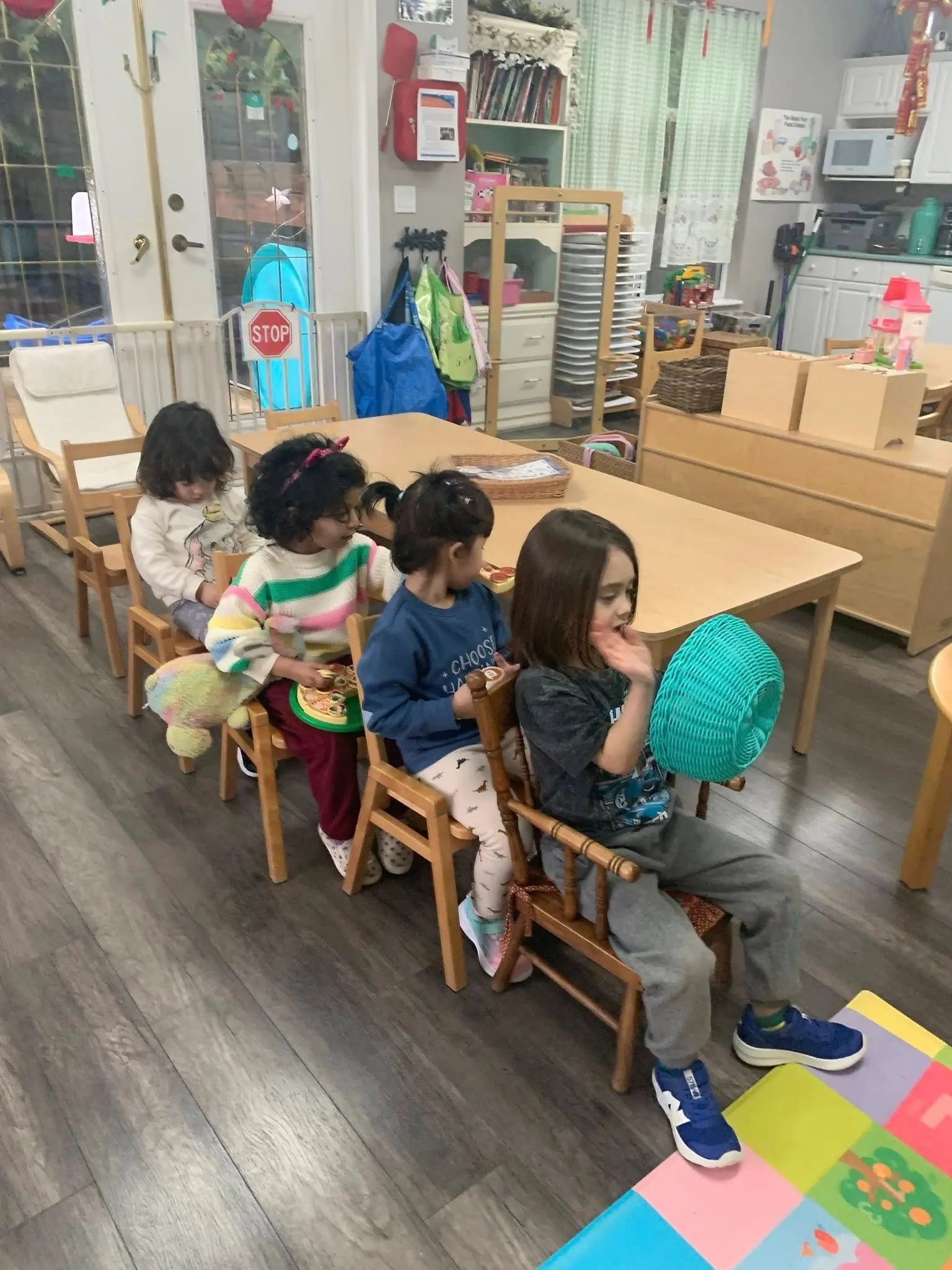
Most families tell us about an allergy in the first two minutes of a tour. It comes out before the questions about hours or fees, usually in the same sentence as the child's name.
That is the right instinct. What follows here is the rest of it: what a licensed centre in British Columbia has to hold on file, what documents to bring, and why the conversation at the door has to end up as paper.
Why a conversation is not enough
Telling an educator at drop-off that your child cannot have dairy is a real thing to do and we act on it. It is also the version of the information that disappears when that educator is off sick, when a substitute covers the room, or when six weeks pass.
The regulation is built around that problem. Section 57 of the Child Care Licensing Regulation requires a licensee to keep, for each child, a current record showing any illness, allergy or medical disability disclosed to the licensee by the child or their parent or medical practitioner. The same section requires a record of any special instruction about the child's diet, medication, or participation in activities that the parent gives in writing and the licensee agrees to.
Read that carefully, because two phrases are doing work. In writing, and agreed to. An instruction becomes part of your child's record when you have written it down and we have accepted it. That is a two-sided act, and it is deliberately not something either of us can do alone.
So the answer to "do I need to put this in writing" is yes, and the reason is not bureaucracy. It is that the written version survives staff changes and the spoken version does not.
What to bring before the first day
The allergen, stated plainly. Not "nuts" if you mean cashews specifically, and not "dairy" if you mean cow's milk protein rather than lactose. The precision matters when somebody is reading a label at ten to twelve.
What a reaction has looked like. Hives, swelling, vomiting, breathing trouble, a change in behaviour. Educators watching for the thing your child actually does will spot it earlier than educators watching for a textbook list.
The medication, and how it is given. The device, the dose, where it lives during the day, and its expiry date.
An Anaphylaxis Emergency Plan, if your child is at risk of one. HealthLink BC's guidance for allergy safe child care facilities says a child with food allergy should have a care plan that contains a copy of their Anaphylaxis Emergency Plan, explaining what to do in case of a reaction. Food Allergy Canada publishes a blank form for this, which you fill in with your child's health care provider rather than on your own.
Emergency contacts. Who to call, in what order, and any number that is different from the one on the main enrolment form.
What a care plan is, and when one is needed
There is a specific thing in the regulation called a care plan, and it is worth knowing what it is so the term does not float.
Section 58 requires a licensee to keep, for each child requiring extra support, a current care plan showing the diagnoses relevant to that requirement as made by health care professionals, the courses of action those professionals recommend to address the child's needs, and the resources the licensee will make available, including any adaptation of the facility that is necessary.
Two things follow. First, a care plan is built on what health care professionals have said, so it is assembled with your child's providers rather than written by a centre on its own judgment. Second, whether your child needs one is a question about their specific situation, and it is one we work through with you rather than deciding at the door.
Bring what you have. If a document is missing, we will tell you which one and where it comes from.
Where medication lives during the day
Section 53 is the medication rule, and it is strict for a reason that becomes obvious the moment you picture a room of toddlers.
Medication has to be kept so it is not accessible to any child. There is one narrow exception: a child may have access to their own medication where a parent has instructed the licensee to allow it and the child's health would be significantly at risk without immediate access. That exception is arranged in advance, in writing, and it is a deliberate decision rather than something a backpack achieves by accident.
Section 53 also governs what a centre may give at all. We can give medication prescribed by a medical practitioner or provided by you, where we have agreed with you to give it. That is the whole scope. It is why a centre cannot offer your child a painkiller from its own cupboard, and it is why the arrangement for your child's device is settled before the first day rather than on the day it is needed.
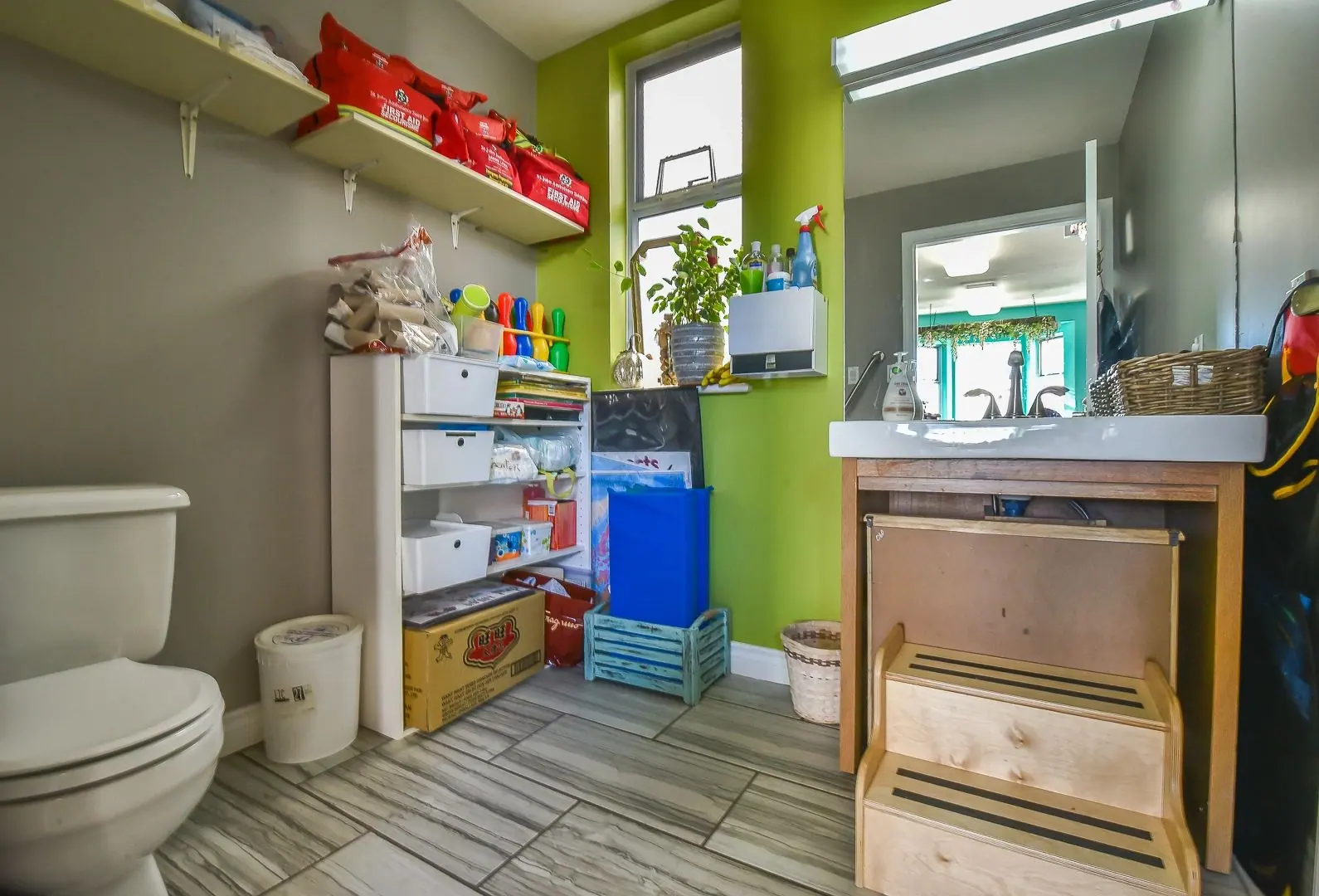
The practical version: we agree the exact location with you, every educator in that room knows it, and you check the expiry date on the same rhythm you check the one at home. HealthLink BC notes that these devices expire on the last day of the month printed on the packaging, so a device marked January is valid until 31 January.
Who knows
Every educator who works with your child, and anyone covering a shift in that room.
This is the part families underestimate. An allergy known only to the regular educator is being remembered rather than managed, and the gap shows up on exactly the day you would not choose: a substitute covering a sick call, an unfamiliar face at snack time.
HealthLink BC's guidance lists regular staff training as one of the three things that make a child care facility allergy safe, alongside the policies themselves and the care plan. Training is what turns a document into a response.
What happens during a reaction
We follow the plan you gave us. Here is the sequence HealthLink BC sets out for a severe reaction, because it is worth knowing before you need it.
Give the epinephrine device at the first sign of a known or suspected severe reaction. The guidance is explicit that this medication is safe and that if you are unsure, giving it is the safer option.
Call 9-1-1 and say that someone is having a severe allergic reaction.
Give a second dose as early as five minutes after the first if symptoms have not improved.
Go to hospital immediately, by ambulance where possible, even if symptoms are mild or have stopped, because a reaction can return after it appears to settle.
Call the emergency contact.
Separately, section 55 of the regulation requires the licensee to notify a parent or emergency contact immediately if a child becomes ill or is injured while in our care. So you hear from us during the event, not at pick-up.
The nut-free policy, and what it does not replace
This centre is nut free. Every lunch box follows it, and there is a full post on packing lunches for a nut-free daycare covering the label reading and the swaps.
A facility-wide policy and an individual plan do two different jobs, and families often hear them as one thing. The policy reduces how often one specific allergen comes through the door. The plan is what happens if something gets through anyway, or if your child's allergen is not the one the policy covers.
Both matter. Neither substitutes for the other. A family whose child reacts to egg gets very little protection from a nut policy, which is exactly why the individual documentation exists.
Keeping it current
Records have to be current, which makes this an ongoing thing rather than a first-week task.
Tell us the day something changes: a new allergen, a resolved one, a different device, a change in dose, a new emergency contact, a new diagnosis. Bring the paperwork when you have it, but tell us before the paperwork arrives.
Check the expiry on the device at the centre when you check the one at home. A sensible rhythm is the start of each term.
And re-read your own copy of the plan once a year. Families who have lived with an allergy for three years are often working from a plan written when their child was one, and the dose or the device may have moved on.
Before the first day
Practically, allergies come up twice in the enrolment conversation: once on the tour, where you tell us the shape of it, and once before the start date, where we go through the documents properly and agree where the medication lives.
The second conversation takes about twenty minutes and it is worth booking rather than squeezing into a drop-off. Bring the plan, the device, and the contacts, and we will do the rest.
Frequently asked questions
What do I need to tell a daycare about my child's allergy before they start?
The allergen itself, what a reaction has looked like before, what medication your child needs and where it is kept, and who to call. In British Columbia a licensed centre has to hold a record of any allergy disclosed by you or your child's doctor, so this belongs in writing rather than only in conversation.
What is an Anaphylaxis Emergency Plan?
A one-page document that names the allergen, lists the symptoms to watch for, states the medication and dose, and gives emergency contacts. HealthLink BC advises that a child with food allergy in a child care setting have a care plan containing a copy of it, and Food Allergy Canada publishes a blank form you can fill in with your doctor.
Does my child need a doctor's note for a food allergy?
For a suspected allergy, a diagnosis from a health care provider is what turns a worry into a plan we can act on. For an established allergy, what we need is the emergency plan your provider has written, not a separate letter. Bring what you already have and we will tell you if anything is missing.
Where is my child's epinephrine device kept during the day?
Somewhere educators can reach it in seconds and children cannot reach it at all. British Columbia's rules require that a child's medication is not accessible to any child, with a narrow written exception for a child who needs immediate access to their own. We agree the exact location with you before the first day.
How many educators know about my child's allergy?
Every educator who works with your child, plus anyone covering a shift in that room. An allergy that only the regular educator knows about is not managed, it is remembered, and the difference shows on the day somebody is off sick.
What is a care plan and does my child need one?
A care plan is a written document for a child requiring extra support. British Columbia's regulation requires it to record the relevant diagnoses made by health care professionals, the courses of action those professionals recommend, and the resources the centre will make available. Whether your child needs one depends on their situation, and we work it out with you.
What happens if my child has a reaction at the centre?
We follow the emergency plan you gave us. For a severe reaction that means epinephrine at the first sign, then calling 9-1-1, then calling you, and going to hospital even if symptoms settle. HealthLink BC advises a second dose as early as five minutes after the first if there is no improvement.
Do I have to tell you about a mild intolerance too?
Yes, tell us everything and let us sort out what needs a plan. An intolerance that causes a stomach ache is handled very differently from an allergy that causes anaphylaxis, but we can only make that distinction if we know both exist.
What if my child develops an allergy after they have already started?
Tell us the same day you learn about it and bring the documentation as soon as you have it. Records have to stay current, so a change in your child's health is a change to what we hold on file rather than something that waits for a review date.
Coming to see us
We are at 1103 Confederation Drive in the Citadel neighbourhood of Port Coquitlam. If your child has an allergy and you are working out whether a centre is the right fit, bring it up early on the tour rather than at the end. It is one of the more useful things you can ask about, and the answer tells you a lot about how a centre runs. You are welcome to book a time to come in and go through it properly.
Copies a ready-written post, then opens LinkedIn.