September 2, 2026
Packing lunches for a nut-free daycare, and the swaps that actually work
How to build a week of lunches for a centre where nuts are not allowed, how to read a "may contain" label properly, and why the rule covers every lunch box in the building rather than only the ones belonging to children with allergies.
By Tracy, Owner and Principal
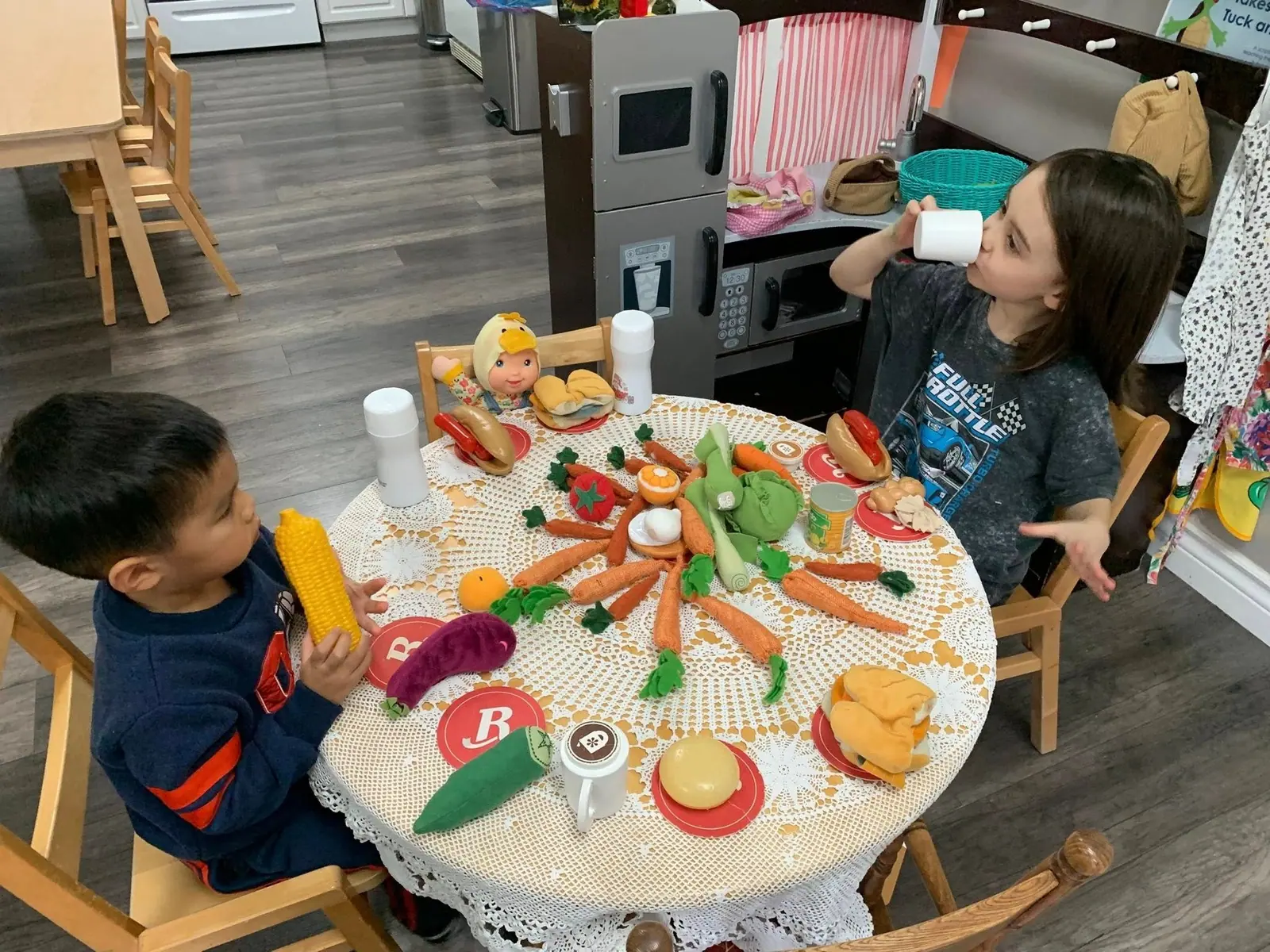
The hardest part of packing for a nut-free centre is not the first week. It is week six, when you have run out of ideas and the sandwich has become an argument.
This is the practical version: what the rule actually covers, how to read a label so you are not guessing, and the swaps that hold up over a whole term rather than for three days.
What the rule covers
Every lunch box, every day, regardless of whether your own child has an allergy.
That last part is what families ask about most, and it is worth being direct. The rule protects children who react to traces. Once twenty-four children have eaten at shared tables and then gone off to play with the same blocks, there is no realistic way to keep one child's crumbs away from another child's hands. A policy that applied to some lunch boxes and not others would give families the feeling of safety without the substance of it.
So the rule is the same for everyone. No peanuts, no tree nuts, and nothing carrying a nut warning.
That covers more products than most people expect. Spreads, obviously. Also granola bars, cereal bars, trail mix, some breads, some crackers, chocolate bars, many baked goods, some pestos and sauces, and a surprising number of plain-looking snacks made in a facility that also handles nuts.
How to read a label properly
There are two separate things on a package and they do different jobs.
The ingredient list tells you what is in the food. Under Canada's food allergen labelling rules, priority allergens have to be declared, either in the ingredient list itself or in a "Contains" statement underneath it. This part is required and it is reliable.
The precautionary statement, the "may contain" line, tells you what the manufacturer thinks might have got in by accident. Here is the part that matters and that gets repeated backwards constantly: Health Canada does not require these statements. A company may print one, may word it differently, or may leave it off entirely.
Two consequences follow from that, and both are practical.
First, a "may contain nuts" line means the product stays home. The manufacturer is telling you they cannot rule out contact with a nut, and a centre has no way to verify that risk further.
Second, and less obvious, the absence of a warning is not proof of anything. A product with no precautionary statement has not necessarily been tested. It may simply be a company that does not use those statements. So the ingredient list is where you look first, and the warning is a second filter rather than the only one.
The other habit worth building: check the label again when you rebuy. Recipes and production lines change without any change to the front of the package. The single most common way a nut product arrives at a centre is a family buying the same box they have bought for a year, from a manufacturer who quietly moved production.

The swaps that actually work
The goal is not to replace peanut butter with one thing. It is to have five or six options so no single one has to carry the whole week.
For the sandwich. Sunflower seed butter is the nearest match on texture and protein, and most children who like peanut butter accept it. Cream cheese, hummus, mashed bean spread, plain butter with sliced meat or cheese, and egg salad all work. Where sesame is permitted in your child's own diet, tahini is another option. Check each jar, because seed butters are very often produced on equipment shared with nuts, and a sunflower butter with a nut warning is still a no.
For protein. Hard boiled eggs, cheese cubes, yogurt, chickpeas, beans, cold chicken, tinned fish, and edamame where your child eats it. These solve the question families ask most, which is how a child gets enough protein once the default spread is gone.
For crunch. Roasted chickpeas, pumpkin seeds, sunflower seeds, popcorn for older children who manage it safely, rice crackers, pretzels, and plain crackers with cheese. This is the category where reading labels matters most, because it is where shared production lines are most common.
For the sweet thing. Fruit, obviously, but also yogurt tubes, plain baked goods you make at home, oat bars made with seed butter instead of nut butter, and dried fruit. Home baking is the reliable route here, because you control the whole ingredient list rather than trusting a label.
For variety. Leftovers from dinner in a flask. Pasta with sauce. Rice with vegetables. A thermos of soup. Children who refuse a sandwich for the fourth day running will often eat exactly what they ate the night before.
Keeping food at a safe temperature
Families provide all the food here, and the centre does not run a kitchen service for lunch boxes. No reheating, no individual refrigeration. What that means in practice is that the container is doing the work.
Send a cold pack with anything that should be cold. Yogurt, dairy, cooked meat, egg, cut fruit and cooked rice all belong in an insulated bag with an ice pack that goes back in the freezer overnight.
Send a preheated vacuum flask with anything that should be hot. Fill it with boiling water for a few minutes, tip that out, then add the hot food. A flask that was not preheated arrives lukewarm, which is the temperature you were trying to avoid.
Pack food your child can open. This sounds trivial and it is one of the top reasons a lunch comes home uneaten. A tub with a tight seal, a wrapper that needs adult hands, a yogurt tube that squirts when a four-year-old grips it: educators help, but a child who can open their own lunch eats more of it.
Portions, and what a full lunch box actually tells you
Pack for a morning snack, lunch, and an afternoon snack. Portion it for your own child, because you know their appetite and we do not.
When a lunch box comes home mostly full, the reason is usually one of four things, and only one of them is about appetite. The container was hard to open. The food was a new thing on a day your child was already tired. The portion was built for an adult idea of a meal rather than for a three-year-old. Or your child genuinely was not hungry, which happens to everyone.
Tell us what you are seeing and we will tell you what we saw at the table. That conversation usually solves it in one go, and it is the same conversation we have about most things at pick-up, which is described in more detail in a day at our centre, hour by hour.
The mistake day
At some point you will send something with a nut warning. Almost every family does, usually in month three, usually because a label changed.
Here is what happens. An educator sets that item aside, your child eats the rest of their lunch, and we tell you at pick-up and send the item home so you can see the actual package. Nobody is in trouble and nobody makes a thing of it in front of your child.
We send the item home rather than just describing it because the useful information is on the package. Nine times out of ten a parent looks at it and says some version of "they have bought that for a year", which is exactly the point about rechecking labels.
Shared food, birthdays, and celebrations
This is the genuinely hard case, so it is worth setting expectations.
A shared treat has to satisfy every allergy and dietary restriction in the room at the same time, not only the nut policy. Dairy, egg, gluten, sesame and religious dietary requirements are all in play, and the combination changes as children join and leave.
Talk to us before a birthday rather than on the morning of it. Sometimes there is a food that works. Often the easier answer is something that is not food at all: a book for the shelf, stickers, a group activity, a song. Children remember the fuss made of them far more than they remember what was on the plate.
Building a week that survives
A pattern that holds up across a term looks roughly like this: pick three proteins, three crunchy things, three fruits and three sweet things that all clear the label test, then rotate. That is enough variety that nothing appears twice in a row, and few enough decisions that the shop is fast.
Write the list on the inside of a cupboard door. The failure mode is not that you run out of options, it is that at 9 p.m. you cannot remember what they were.
Prep on Sunday where you can. Hard boiled eggs, cut vegetables, portioned crackers, washed fruit. The morning is not when you want to be reading an ingredient list.
And keep one full backup lunch in the cupboard: shelf-stable, already checked, ready for the morning you discover the bread has gone. Families who do this stop having emergencies about lunch entirely.
What we keep on file
Under section 57 of the Child Care Licensing Regulation, the centre keeps a current record for each child that includes any illness, allergy or medical disability disclosed to us by you or your child's doctor, along with any special instruction about your child's diet that you give us in writing and we agree to.
That is why a conversation about food ends with something written down rather than a nod at the door. It is also why telling us about a new allergy or a new restriction matters even when it feels minor, and why the details belong in writing rather than in a text message that gets buried.
There is more on what that documentation looks like in what we need from you about allergies, and the full packing list, including the medication rule, is in what to pack for daycare.
Frequently asked questions
Why does the nut-free rule apply to my child if they have no allergy?
Because the rule protects a different child, not yours. A centre cannot control where crumbs travel once twenty-four children have eaten at shared tables, so a policy that only applied to some lunch boxes would not protect anyone. Every family follows it, which is the only version that works.
Is a "may contain nuts" label allowed at a nut-free centre?
No. Those products stay home. A precautionary statement means the manufacturer thinks contact with a nut is possible during production, and a centre that cannot verify the risk has to treat it as present.
Are "may contain" warnings required by law in Canada?
No. Health Canada does not require precautionary statements, so a company may use one, use different wording, or leave it off entirely. That is exactly why the absence of a warning is not proof that a product is nut free, and why the ingredient list matters more than the warning.
What can I use instead of peanut butter in a sandwich?
Sunflower seed butter is the closest match in texture and protein. Cream cheese, hummus, bean spread, tahini where sesame is permitted, and plain butter with sliced meat or cheese all work. Check that whichever jar you buy carries no nut warning, because seed butters are frequently made on shared equipment.
Do I need to send a cold pack with my child's lunch?
Yes. Pack an ice pack with anything that should stay cold and a vacuum flask for anything that should stay hot. The centre does not reheat food or refrigerate individual lunch boxes as a service, so the container is what keeps the food at a safe temperature until your child eats it.
What happens if I send something with nuts by mistake?
An educator sets that item aside and gives your child the rest of their lunch, then tells you at pick-up. Nobody is in trouble. The item goes home so you can see exactly which product caused the problem, because it is almost always a label that changed rather than a decision anyone made.
Can I send a birthday treat to share with the class?
Talk to us first. Shared food is the hardest case, because one item then has to satisfy every allergy and restriction in the room at once. Many families find a non-food option easier, and we are glad to help you find something that works for the whole group.
How much food should I pack for a full day?
Enough for a morning snack, lunch, and an afternoon snack, portioned for your own child. You know their appetite better than we do. If a lunch box comes home full most days, tell us and we will tell you what we saw, because the reason is usually something small like a container your child cannot open alone.
Does the centre provide any food at all?
No. Families provide all meals and snacks. The centre does not plan a menu and does not supply food, so what you pack is what your child eats that day.
Before you start
Do the cupboard audit before your child's first week rather than after it. Read the labels on what you already buy, sort the shelf into what can go and what stays home, and write the approved list somewhere you will see it.
We are at 1103 Confederation Drive in the Citadel neighbourhood of Port Coquitlam. If you are still deciding, our daily schedule shows when snacks and lunch fall in the day, and you are welcome to come and see the rooms before you start.
Copies a ready-written post, then opens LinkedIn.