August 30, 2026
What to pack for daycare, and what to leave at home
A labelled list of what your child needs at a licensed centre in British Columbia, why each item is on it, and the shorter list of things that must not go in the bag. Includes the medication rule that most families get wrong for good reasons.
By Tracy, Owner and Principal
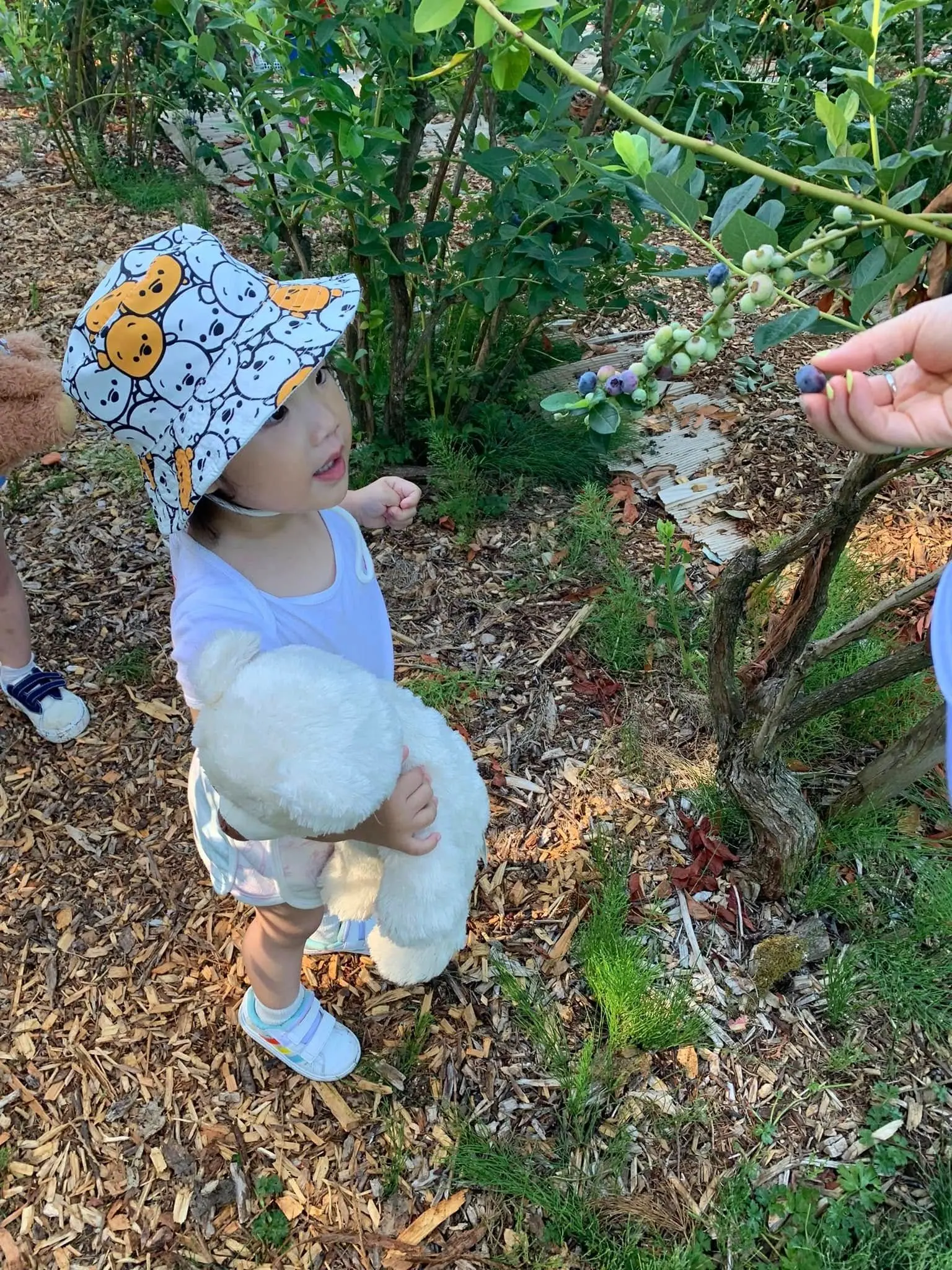
The list is short:
- Two complete changes of clothes (shirt, pants, underwear, socks)
- A fitted cover and blanket for the nap mat
- A labelled sun hat
- A reusable water bottle
- Sunscreen suitable for your child
- Food for the day (meals and snacks, nut free)
- A comfort item, if your child uses one
Every single piece of it labelled with their name.
The rest of this page is why each thing is on the list, and the shorter list of what must not go in the bag. That second list is the one worth reading properly, because the items on it usually arrive with the best intentions.
Clothes
At least two complete changes, kept here rather than carried back and forth. Complete means shirt, pants, underwear and socks, not a spare top on its own.
Younger children need more. So does any child who is toilet learning, and three or more sets is normal during that stretch, along with enough diapers and wipes to get through the day with room to spare.
Send clothes you do not mind being ruined. Paint, glue, sand, water and food all happen here on purpose, and a child who is worried about their clothes will hold back from most of the day. Anything you would be upset to lose should stay home.
Dress for the yard. Children are outside for a good part of most days, so the layers that work at 7:30 in the morning need to still work at eleven.
Bedding for nap
Families provide a fitted cover for the sleeping mat and a blanket. A small comfort toy or security blanket is welcome alongside it.
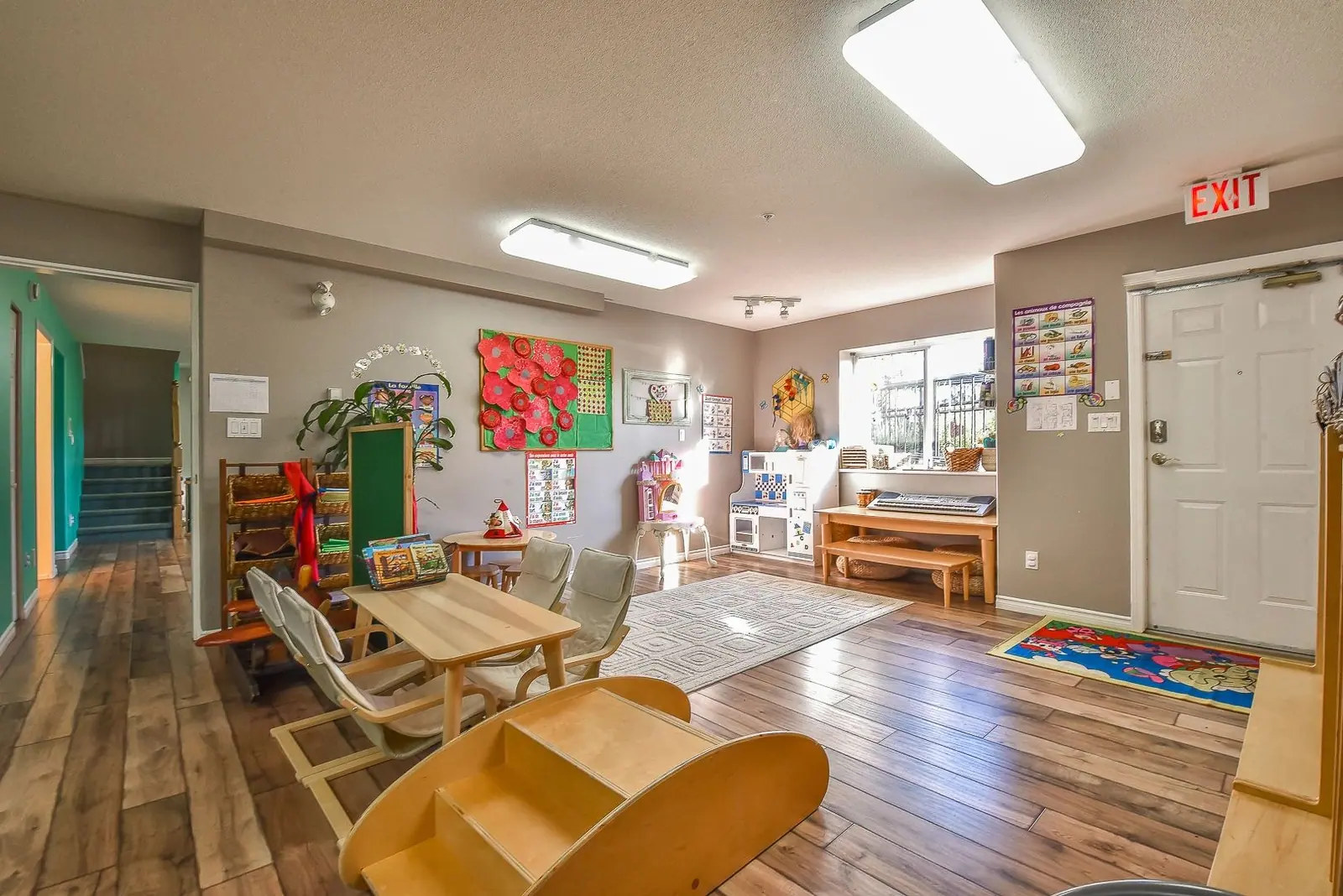
The mats are ours. Under the Child Care Licensing Regulation, each piece of furniture or equipment for sleeping is used by only one child at a time and has to be clean, comfortable, and appropriate for the size, age and development of the children using it. That is why the mat stays here and the cover goes home to be washed.
Everything in this category needs a name on it, including the blanket. A blanket is the item most likely to be identical to somebody else's and the item a child is least willing to share.
Sun, water and weather
A labelled sun hat, a labelled reusable water bottle, and sunscreen that suits your child.
We ask families to supply the sunscreen rather than keeping a communal bottle, because skin is individual and the choice belongs with you. Replace it when it runs low or expires, and tell us if you change brands.
The water bottle comes home every day and goes back clean. The hat can live here through the summer.
Food
Families provide all meals and snacks. The centre does not provide meals and does not plan a menu, so what you pack is what your child eats that day.
Label it and portion it for your own child's age, appetite and dietary needs. You know their portions better than anyone here does, and a lunch box that comes home mostly full every day tells us less than you telling us it is too much.
Every item has to follow the nut-free policy. That includes snacks, spreads, cereal bars and anything with a "may contain" line. There is a whole post on packing lunches for a nut-free centre that goes through the substitutions.
What must not go in the bag
- No food containing nuts
- No candy or gum
- No jewellery and nothing valuable
- No small objects that could be a choking hazard
- No personal toys
- No shoes with laces
- No medication, ever
The last one is the one families get wrong, and they get it wrong for a sensible reason: putting the inhaler in the side pocket feels like the responsible thing to do. It is not. Medication is handed directly to an educator, together with the written authorization and the instructions for giving it.
The regulation is specific here. Section 53 requires that a child's medication is not accessible to any child. The only exception is narrow: a child may have access to their own medication where a parent has instructed us to allow it and where the child's health would be significantly at risk without immediate access. That exception is arranged in advance and written down. It is not something a backpack achieves by accident.
The same section covers what we may give at all. We can give medication that has been prescribed by a medical practitioner or provided by you, where we have agreed with you to give it. Anything outside that arrangement, including a painkiller from our own cupboard, is not something we can offer.
Labelling, properly
Write the name on everything. Bottles, hats, boots, lids, blankets, the inside of the coat, both shoes.
A centre licensed for twenty-four children generates a surprising volume of near-identical objects. The item most often lost is a lid. The item most often claimed by two families is a plain blue jumper.
Permanent marker on a care label works and survives the wash. Iron-on or stick-on labels work better if you have them.
What comes home each day, and what stays
Keeping these two groups straight saves a lot of repacking.
Stays at the centre:
- The spare clothes
- The mat cover and blanket, between washes
- The sun hat, through summer
- Any comfort item your child prefers to leave here
Comes home every day:
- The water bottle
- The lunch box and its containers
- Wet or soiled clothes, in a bag
- Any artwork from that day (holiday artwork usually travels home the same day it is made; other pieces may be displayed here first, then returned or collected into a personalised art book for your family)
Comes home to be replaced: anything you have used up. Spare clothes after an accident, diapers and wipes as they run down, sunscreen when it gets low. We will tell you at pick-up, but a quick look in the cubby once a week is faster than relying on either of us to remember.
How the seasons change the bag
The list is the same all year. What fills it is not.
Through the warmer months the hat, the sunscreen and the water bottle do the most work, and water play means spare clothes disappear faster than at any other time of year. Two changes is a minimum in July, not a target.
Through the wetter months the bag gets bulkier. Warm layers, a proper coat, and boots that your child can manage alone. One thing worth knowing before you buy: this centre does not take children outside on walks or into the yard during rainy or snowy weather. On those days the educators run indoor movement activities instead. So the rain gear is for the walk from the car, not for a morning in the yard, and you can size it accordingly.
Through the coldest weeks, mittens are the single most-lost item in any centre. Buy the kind that clip or thread through the sleeves.
The bag itself
Something your child can carry and open, that fits on a hook, and that has their name where an adult can read it at a glance.
A bag that is too big is a genuine nuisance. It does not sit on a hook, it takes two hands to move, and it makes the cubby area harder for everyone. A soft backpack around the size of your child's back is right. Wheels are not useful here.
If your child has an allergy, the bag is not where that gets managed. Allergy information is documented before the start date and shared with the educators who need it, with an individual care plan where one is required. There is more on that in what we need from you about allergies.
Why we ask for what we ask for
Some of it is regulation, some of it is practical, and it is worth knowing which is which so you can judge any centre the same way.
Regulation drives the medication handling, the sleeping equipment, and the records we keep about your child. Section 57 requires us to hold a current record including allergies, medical conditions, medication given, and any special instruction about diet or medication that you give us in writing and we agree to. That is why an allergy conversation ends with something written down rather than a nod.
Practicality drives the rest. No laces because a room of children who can dress themselves moves at a completely different speed. No toys from home because the dispute is guaranteed and the loss is likely. Two changes of clothes because one is never enough on a day with water play.
Frequently asked questions
How many changes of clothes does my child need at daycare?
At least two complete changes kept at the centre, meaning shirts, pants, underwear and socks. Younger children and children who are toilet learning usually need three or more sets, plus enough diapers and wipes. Everything is labelled with your child's name.
Do I bring bedding for nap time or do you provide it?
Families provide a fitted cover for the child's sleeping mat and a blanket. A small comfort toy or security blanket is welcome too. All of it needs your child's name on it. The mats themselves are ours, and under British Columbia's rules each one is used by one child at a time.
Can my child bring a toy from home to daycare?
A comfort item or security blanket is welcome. Ordinary toys are not, because they get lost, they get broken, and they cause disputes between children who all want the same thing. If your child needs something from home to settle, tell us what it is and we will work with it.
Can I send my child's medication in their backpack?
No, and this is the one item with no flexibility. Medication is handed directly to an educator with the written authorization and instructions. British Columbia's Child Care Licensing Regulation requires that a child's medication is not accessible to any child, and a bag on a low hook is reachable by everyone in the room.
What kind of shoes should my child wear to daycare?
Secure, easy-to-manage footwear with no laces. A child who can put their own shoes on and take them off moves through the day with far less waiting, and laces come undone constantly and are a trip hazard in a room full of moving children.
Do I need to label everything, even socks?
Yes, everything. Twenty-four children produce a lot of identical grey socks and blue water bottles. Labelling is the difference between an item coming home and an item joining the lost property pile for a term.
Can I send food with nuts if my child has no allergy?
No. The centre is nut free, and that applies to every lunch box in the building regardless of whether your own child has an allergy. The rule exists to protect children who cannot be in the same room as a trace, so it only works if every family follows it.
Do I need to send sunscreen, or do you have it?
Families provide sunscreen suitable for their own child, along with a labelled sun hat and a reusable water bottle. Skin products are individual, and choosing your child's is a decision for you and your doctor rather than for us.
Before you visit
Pack the bag the night before. It is a small thing and it removes most of what makes a morning tense, which in turn removes a good part of what makes a goodbye at the door hard.
We are at 1103 Confederation Drive in the Citadel neighbourhood of Port Coquitlam. Our daily schedule shows when each of these items actually gets used, and you are welcome to come and see the rooms before your child's first day.
Copies a ready-written post, then opens LinkedIn.