September 12, 2026
Picky eating and the daycare lunchbox that comes home full
Why a child who eats well at home returns with an untouched lunch, what is normal for a toddler appetite, and the division of responsibility that takes the pressure out of mealtimes. Families provide all food at our centre, and it is nut-free.
By Tracy, Owner and Principal
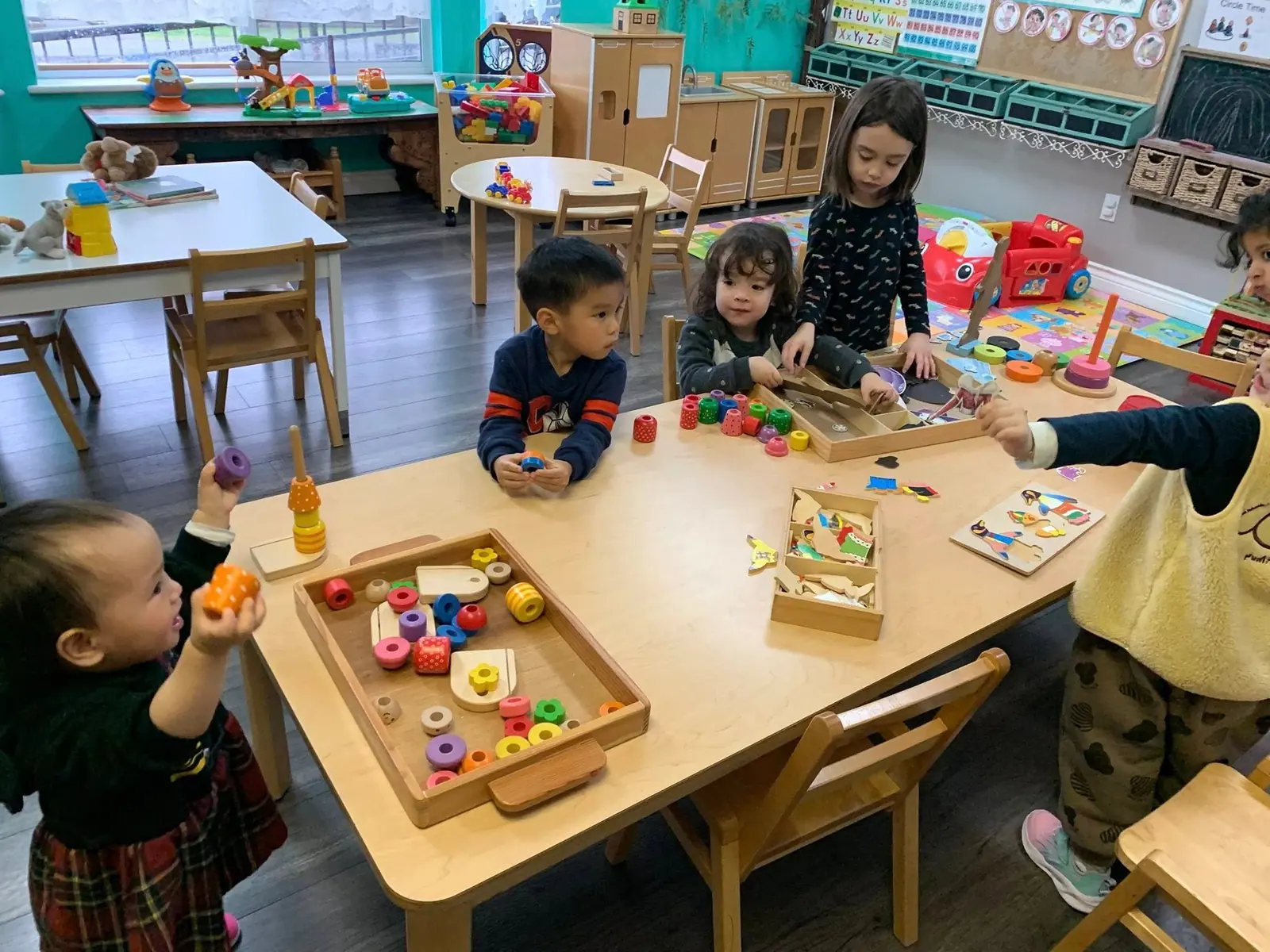
A lunchbox that comes home full is one of the most common worries parents raise with us, and one of the least likely to indicate anything wrong.
The version we hear most often goes like this. The child eats well at home. Two helpings at dinner, no trouble at breakfast. Then the container comes back from the centre almost untouched, day after day, and the parent starts to wonder whether their child is being fed at all.
The opposite version turns up too. A child who eats everything at the centre and refuses most of it at home. Same child, same food, different room.
Both are ordinary. Here is what sits behind them.
Growth slows down, and appetite follows
The first year of life involves faster growth than any period that follows. A baby's intake reflects that.
After the first birthday, growth slows considerably. A toddler simply needs proportionally less food than they did as an infant, and their appetite adjusts to match. Parents who got used to a hungry baby often read the change as a problem when it is the body doing exactly what it should.
The Canadian Paediatric Society puts the day-to-day variation plainly: children's appetites change from day to day, or even from meal to meal. Because their stomachs are small, they eat smaller amounts more often through the day.
That variation is much larger than most adults expect. A child may eat a great deal on Monday and almost nothing on Tuesday while taking in perfectly adequate amounts across the week. Judging a child's eating by one lunchbox is like judging their sleep by one night.
A group room is a distracting place to eat
The second reason is simpler. There is a lot going on.
At home, lunch is often the main event in the room. At a centre, lunch is one thing happening among many. Other children are talking, moving, and finishing at different speeds. There is a construction area visible from the table. A child who is enjoying themselves has limited interest in stopping to eat methodically.
This shows up most obviously at pick-up. A great many children who barely touched lunch will eat an enormous amount within ten minutes of leaving the building. That is not a sign of deprivation. It is a sign that the food was available and the child was busy, and now the child is not busy.
If your child is growing normally, has energy through the day, and eats well across the whole day taken together, a light lunch at the centre is a scheduling difference rather than a feeding problem.
The division of responsibility
The idea that helps families most is a straightforward split of the job.
HealthLink BC sets out two basic rules for feeding a child. You decide what, when, and where to feed your child. Your child decides how much and whether to eat.
Both halves matter, and the second is the one adults tend to take over. Pushing, bargaining, pleading, and negotiating are all ways of trying to do the child's half of the job. HealthLink BC's guidance is direct about it: let hunger, rather than rules or pleading or bargaining, determine what and how much your child eats within the options you have offered.
When adults hold their half firmly and leave the child's half alone, two things follow. The child stays connected to their own hunger and fullness signals, which is a skill worth keeping into adulthood. And the meal stops being a contest, which makes it much more pleasant for everyone at the table.
What that looks like at our centre
Families provide all of their child's meals and snacks here. We do not run a kitchen menu or plan a food programme, so what arrives in the container is what your child has.
That places the "what" half of the division of responsibility with you, and it works well, because you know your child's portions, preferences, and needs far better than we could. Please label everything clearly and portion it for your child's age and appetite.
Our part is the "when" and "where", and then leaving the rest alone. Educators do not pressure a child to eat, do not bargain over how many more bites, and do not comment on what is left. Food is offered, the child sits with the group, and what happens next belongs to the child.
We are also a nut-free facility. That protects children whose allergies can be life threatening, and it applies to every family whether or not their own child has an allergy. It does rule out some convenient options, peanut butter above all. Our post on packing lunches for a nut-free daycare works through the practical substitutions, and what we need to know about allergies before day one covers what to tell us before your child starts.
New foods take more tries than parents expect
One refusal tells you almost nothing.
HealthLink BC's guidance notes that parents should expect gradual acceptance of unfamiliar foods, and be ready to offer a new option repeatedly before a child will even sample it. Repeatedly here means many times, not two or three.
What makes those repeat offerings work is how calm they are. Put the new food on the plate beside things your child already eats. Say nothing about it. If it comes back untouched, clear it without comment and offer it again another day. If your child tries it, resist making a celebration out of it, because that turns the food into a performance.
The two things that reliably slow this down are pressure and attention. A child who senses that an adult badly wants them to eat something has a strong reason to hold out.
The first few weeks are usually the lightest
Eating almost always dips when a child starts at a centre, and it usually recovers on its own.
A child in their first weeks is managing a new room, new adults, new noise, and a routine they do not yet know. Eating in front of people they have only just met, at a table they are not used to, in the middle of all that, is a lot to ask. Many children eat very little for the first stretch and then gradually settle into something more normal as the place stops feeling unfamiliar.
Telling us what your child usually eats at home helps here. If we know that they always eat fruit first, or that they need their sandwich cut a particular way, or that they eat better when someone sits beside them, we can match what they are used to rather than guessing. The same is true of a child moving between rooms as they get older, since a change of room can produce a smaller version of the same dip.
Bribes, rewards, and the dessert problem
Trading dessert for vegetables is intuitive and works against you in two ways.
It tells the child which food is the prize and which is the price. The vegetable becomes something to be endured and the dessert becomes more desirable than it was, which is the reverse of what the parent intended.
It also teaches a child to eat past fullness in order to earn something. Every bite eaten for a reward rather than out of hunger is practice at ignoring the body's own signal.
Putting everything on the table at once, without ranking any of it, avoids both problems. Some of it will be eaten and some will not, and that is a normal outcome of a meal.
What to actually pack
For a child in a picky stage, the lunchbox is the wrong place to run experiments.
Pack food you are confident your child eats, and add a small amount of something you are still working on. Keep the portions modest, because a large container can look like an obligation to a small child and a small one looks manageable. Cut things into pieces they can handle without help.
Canada's Food Guide is a reasonable reference for what a balanced day looks like across all the meals, rather than a rule for what has to appear in one container. A lunch that leans on familiar foods on a hard week is a fine lunch.
When it is more than a stage
Most picky eating in the toddler and preschool years resolves without intervention. Some situations deserve a professional look.
Speak to your family doctor, a public health nurse, or a dietitian if your child is losing weight or not growing as expected, if their energy is noticeably low, if they gag or choke on textures that other children of the same age manage comfortably, if the number of foods they accept is small and getting smaller rather than gradually widening, or if mealtimes have become genuinely distressing at home.
Those are different from a child who is growing steadily, running around happily, and refusing broccoli. The second one is a stage. It usually ends, often without anybody working out exactly when.
Frequently asked questions
Why does my child eat well at home but not at daycare?
A group room is full of other children, activity, and things worth watching, so lunch competes with everything else going on. Many children eat lightly at the centre and then eat a great deal immediately at pick-up or at dinner. If your child is growing normally, has energy, and eats well across the whole day, a light lunch at the centre is a scheduling difference rather than a feeding problem.
What is the division of responsibility in feeding?
It splits the job in two. The adult decides what food is offered, when it is offered, and where. The child decides whether to eat and how much. Both halves matter. When adults take over the child's half by pushing, bargaining, or pleading, the child's own hunger signals stop being the thing that guides them, and mealtimes turn into a contest.
Is it normal for a toddler's appetite to change from day to day?
Very much so. Growth slows down considerably after the first year, so a toddler needs proportionally less food than a baby did. Appetite also swings from meal to meal and from day to day. A child may eat a large amount one day and very little the next while still taking in enough across the week. Looking at a whole week gives a truer picture than looking at one lunchbox.
Do educators make my child eat their lunch?
No. Our educators never pressure or force a child to eat. Food is offered, the child sits with the group, and how much they eat is left to them. Pressure tends to make a reluctant eater more reluctant, and it turns a calm part of the day into something a child dreads.
How many times does a child need to see a new food before they try it?
Often many more times than parents expect. A single refusal tells you very little. Offering the same food again on other days, alongside things your child already likes, and without any comment when it is left, gives them the repeated calm exposure that eventually leads to a taste. Making a fuss about either the refusal or the acceptance tends to slow the process down.
Does the centre provide any meals or snacks?
Families provide all of their child's meals and snacks at our centre. We do not run a kitchen menu or supply food. Please label everything clearly and portion it for your child's age, appetite, and any dietary needs. You know your child's portions far better than we do, which is one reason this arrangement works well.
What should I pack if my child is going through a picky stage?
Pack food you know your child will actually eat, plus a small amount of something you are still working on. Keep portions modest, because a very full container can look overwhelming to a small child. Familiar foods in the lunchbox give a picky eater a low-pressure day, and the centre is a difficult place to introduce something entirely new.
Why is the centre nut-free, and what does that mean for a fussy eater?
We are a nut-free facility, which protects children with allergies that can be life threatening. It does rule out some easy standbys, peanut butter in particular. There are workable substitutes, and our post on packing lunches for a nut-free daycare covers the practical swaps. The rule applies to every family regardless of whether their own child has an allergy.
Should I bribe my child with dessert to finish their vegetables?
Using one food as payment for another tends to make the reward food more attractive and the vegetable less so. It also teaches a child to eat past fullness to earn something. Offering everything together, without ranking any of it, keeps the pressure out and lets a child's own appetite do the work.
When should I speak to a doctor about my child's eating?
Speak to a health care provider if your child is losing weight or is not growing as expected, if they seem low on energy, if they gag or choke on textures other children manage, if they will only eat a very small and shrinking number of foods, or if mealtimes have become distressing for your family. Ordinary picky eating in a child who is growing well and has plenty of energy usually passes with time.
Before you visit
If you are weighing up a centre and want to know how mealtimes actually run, it is a fair thing to ask on a tour. We will show you where children eat and explain what families need to send. Contact us to arrange a visit.
Copies a ready-written post, then opens LinkedIn.