October 16, 2026
Separation anxiety versus normal drop-off tears, and when to raise it with your doctor
Most crying at the door is ordinary and fades within weeks. Here is where the Canadian Paediatric Society draws the line between that and separation anxiety disorder, a diagnosable pattern, and what to bring to your doctor if your child's tears do not fit the ordinary pattern.
By Tracy, Owner and Principal
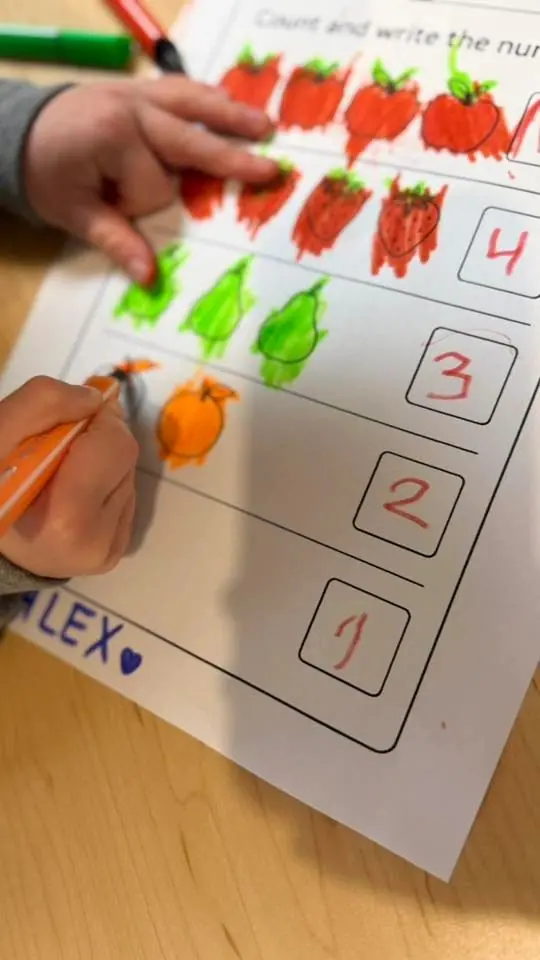
Most children cry at the door at some point, and for almost all of them it fades on its own within weeks. A smaller number of children have something else going on, a pattern doctors can name and treat. This is about telling the two apart, using what the Canadian Paediatric Society and HealthLinkBC actually say, not a guess based on how hard one morning felt.
We already cover the ordinary version and what helps at the door in why your child cries at daycare drop-off. This post is narrower. It is about the smaller group of children whose crying does not fit that ordinary shape, and what a named authority says a parent should do about it.
What ordinary separation anxiety looks like
HealthLinkBC describes it plainly: separation anxiety usually starts around 9 months of age, peaks near 15 months, and starts to fade sometime before the third birthday. The same page calls it a sign that a child has reached a new stage of thinking and feeling, and a sign of healthy attachment, not a problem that needs fixing.
That single sentence does a lot of work for a worried parent. A one year old crying hard at the door is behaving exactly the way the guidance describes. So is a two year old who is better some weeks and worse others. The shape that matters is the trend: does it ease over weeks, even with bad days mixed in, or is it standing still, or getting worse.
HealthLinkBC also notes that how long and how intense it is depends partly on a child's temperament and partly on how the adults around them respond. Some children barely register the separation. Others cry hard for a stretch and then stop just as suddenly. Both are inside the ordinary range the guidance describes.
Where separation anxiety disorder is different
The Canadian Paediatric Society treats separation anxiety disorder as one of several recognized anxiety disorders in children, and states it typically has a preschool age of onset, meaning it can show up in the exact years a child is in daycare.
The distinction the Society draws is not about whether a child cries. It is about degree and effect. Its position statement on diagnosis says anxiety disorders are set apart from normal anxiety by responses that are persistent, disproportionate, or distorted, to the point that they impair how a child functions day to day. For a diagnosis, the anxiety has to fall well beyond what is expected for a child's age and developmental stage, and it has to cause real distress or real impairment, not just discomfort.
What impairment looks like, in the Society's own terms:
- Trouble attending or taking part at school or daycare
- Trouble being at home or in the community without extreme distress
- Sleep disrupted by fear of separation, including trouble falling asleep alone
- Physical complaints such as stomach pain or muscle tension that show up around separations
- What the Society calls inconsolable distress during transitions, and clinging or closely following a parent well past the age that is typical
One rough morning, even a bad one, does not put a child in this category. A pattern that touches several of these areas, across weeks, and is not easing, is what the guidance is describing.
The shape of it, side by side
| Ordinary drop-off tears | Separation anxiety disorder | |
|---|---|---|
| Typical age | Starts around 9 months, peaks near 15 months, fades before age three (HealthLinkBC) | Can persist or appear through the preschool years (Canadian Paediatric Society) |
| Trend over weeks | Eases, even with some bad days | Stays the same or gets worse |
| Where it shows up | Mostly at the moment of goodbye | Spreads into sleep, other separations, and physical complaints |
| What it interferes with | Little, once the child has settled into the day | School or daycare attendance, sleep, family routines |
| What it means | A sign of healthy attachment, per HealthLinkBC | A diagnosable pattern, per the Canadian Paediatric Society |
Both sources are named in the table because neither one alone tells the whole story. HealthLinkBC describes what is typical. The Canadian Paediatric Society describes where typical stops.
What we are not saying
We are not qualified to diagnose anything, and this post is not a checklist for diagnosing your own child. A doctor looks at a specific child, over time, alongside the family's own account of what is happening at home and everywhere else, not just at daycare. Nothing here replaces that.
What we can offer is what the guidance says in plain words, and what we actually see during the day. Educators give families verbal updates at pick-up about how a child's day went, and that includes anything that looks different from what we usually see. If a family already has a concern, that conversation is a reasonable place to start, alongside their own doctor.
Ruling out the ordinary explanations first
Before anxiety is even the right question, it is worth checking the simpler explanations, because they produce crying that can look identical.
A change at home, such as a new sibling, a house move, or a parent's schedule changing, can unsettle a child for weeks without anything being wrong with the child. An illness starting often shows up as tears at the door before any other symptom appears. A disrupted sleep schedule, from a time change or a late night, makes almost any transition harder for a few days. Our post on why your child cries at daycare drop-off covers these triggers and the routine that helps with the ordinary version.
Transitions themselves are also just hard for young children in general, not only the goodbye at the door. Our post on transitions and why they are hard for young children explains why moving from one activity to another asks so much of a developing brain, which is useful context if drop-off crying is part of a wider pattern of hard transitions rather than something specific to separation.
What to bring to your doctor
If a pattern has been going on for weeks, is not easing, and touches more than the moment at the door, here is what is useful to bring to the conversation:
How long it has been going on, as close to an exact number of weeks as you can give.
Whether it is improving, staying flat, or getting worse, tracked honestly rather than by the worst day you remember.
Where else it shows up, beyond drop-off: bedtime, sleepovers, being left with a grandparent, being in a different room at home.
Physical complaints, such as stomach aches or headaches that cluster around separations rather than happening randomly.
What has changed recently, at home or at the centre, that might explain a shift rather than a disorder.
The Canadian Paediatric Society's guidance on managing anxiety in children describes a family doctor's role as counselling the family and, where it is needed, referring to a mental health provider for further assessment. The same guidance names psychotherapy with a trained therapist as the first line of treatment once a disorder is confirmed, not medication. Raising this with your doctor is the start of a conversation, not a referral to something drastic.
A short example of how this can look in practice: a parent notices their four-year-old has cried hard at every drop-off for two months, longer than the ordinary pattern usually lasts, and the same child has also started refusing to sleep at a grandparent's house, something they used to do without trouble. Written down together, those two facts, the length of time and the second setting, are exactly the kind of pattern the doctor's visit above is built to surface. Neither fact alone would be unusual. Together, tracked over a real span of weeks rather than recalled from memory, they are worth a conversation.
What this means for your family's first weeks
If you are earlier in the process, before drop-off has become a pattern one way or the other, what happens on your child's first day at daycare describes the visit, the paperwork, and the goodbye itself. Most of what determines whether the first weeks go smoothly happens before the morning it gets hard, and most children's crying settles into the ordinary pattern described above without anything needing to change.
Before you visit
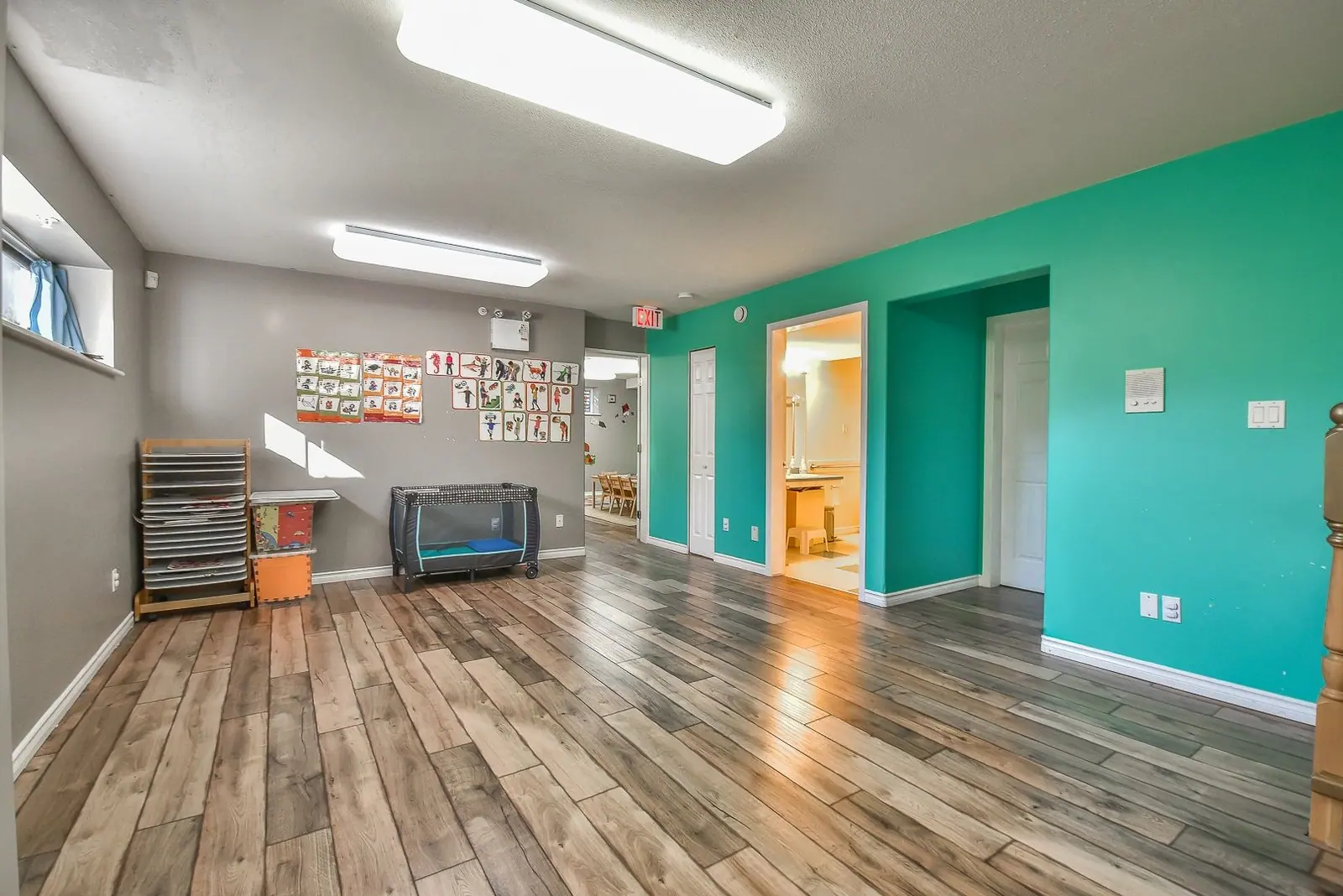
If you are choosing a centre and separation is part of what worries you, it is worth seeing the rooms and meeting the educators before your child's first day rather than on it. Tours run about thirty minutes by appointment and are best outside drop-off, pick-up, outdoor play and nap times. We are at 1103 Confederation Drive in the Citadel neighbourhood of Port Coquitlam. Contact us to arrange one.
Frequently asked questions
How do I know if my child's crying is normal separation anxiety or something more?
HealthLinkBC describes ordinary separation anxiety as starting around 9 months, peaking near 15 months, and fading before age three. The Canadian Paediatric Society says a disorder is different in degree, not just in the fact that crying happens. It involves distress well beyond what is expected for the child's age, and it interferes with daily life such as sleep, school or eating. A pattern that is easing over weeks is ordinary. A pattern that is stuck or spreading is worth raising with your doctor.
Is separation anxiety disorder something a two year old can have?
The Canadian Paediatric Society lists separation anxiety disorder as one of the anxiety disorders that typically has a preschool age of onset, so yes, it can appear in the years most children are in daycare. A diagnosis needs more than crying at drop-off. It needs the distress to be disproportionate for the child's age, persistent, and to interfere with participation at home, at the centre, or in the community.
What counts as my child's distress "interfering with daily life"?
The Canadian Paediatric Society points to specific areas: whether a child can take part in school or daycare, whether they can be at home or run errands without extreme distress, whether sleep is disrupted by fear of separation, and whether physical complaints like stomach aches or headaches are showing up around separations. One hard morning does not meet that bar. A pattern across weeks that touches several of these areas is what a doctor would want to hear about.
My child has cried at every drop-off for six months. Is that still normal?
HealthLinkBC's own timeline has ordinary separation anxiety fading before the third birthday, so six straight months without any easing, especially past that age, sits outside the pattern the guidance describes. That alone is not a diagnosis. It is a reason to describe the pattern to your family doctor, who can judge it against the child in front of them.
What physical symptoms should make me pay attention?
The Canadian Paediatric Society lists somatic complaints such as stomach pain and muscle tension as part of the picture when anxiety has become a disorder, alongside sleep disturbance and what it describes as inconsolable distress during transitions. A child who is otherwise fine and cries hard for ten minutes is different from a child who is having stomach aches most mornings and sleeping poorly on top of the crying.
Will you tell me if you think my child's crying looks different from what you usually see?
Educators give families verbal updates at pick-up about how the day actually went, and that is where a pattern would come up if one of our team noticed it. We are not able to diagnose anything and would never try to. What we can tell you is what we are actually seeing during the day, which is useful information to bring to your own doctor if you are already wondering about it.
What does a doctor actually do if I raise this?
The Canadian Paediatric Society describes a family doctor's role as counselling the family on managing the anxiety and, where needed, referring to a mental health provider for further assessment. Psychotherapy with a trained therapist is described as the first line of treatment when a disorder is confirmed, not medication. Raising it with your doctor is a conversation, not a referral to something drastic.
Could my child's drop-off crying be about something other than separation at all?
Yes, and this is worth ruling out before assuming it is anxiety. A change at home, an illness starting, a disrupted sleep schedule, or a change in routine at the centre can all produce crying at the door that looks identical to separation anxiety but has a different cause. Our post on why children cry at drop-off covers the ordinary triggers and what tends to explain a sudden change.
Does a hard drop-off mean my child feels unsafe at the centre?
Not usually. Crying at the point of separation is common at the age most children start daycare and, per HealthLinkBC, is described as a sign of healthy attachment rather than distress about the place itself. What matters more is what educators see once the child has settled in, which we share with you verbally at pick-up.
Copies a ready-written post, then opens LinkedIn.